Quaternary Period
2.6 million years ago - present
About this Period
Ice ages and human evolution
The Quaternary period, extending from 2.6 million years ago to the present, is marked by dramatic climate fluctuations, ice ages, and the evolution and global spread of humans.
Repeated glacial and interglacial cycles defined this era, with ice sheets advancing and retreating, sea levels fluctuating dramatically, and land bridges forming and disappearing. These changes forced migrations and adaptations that shaped modern species distributions.
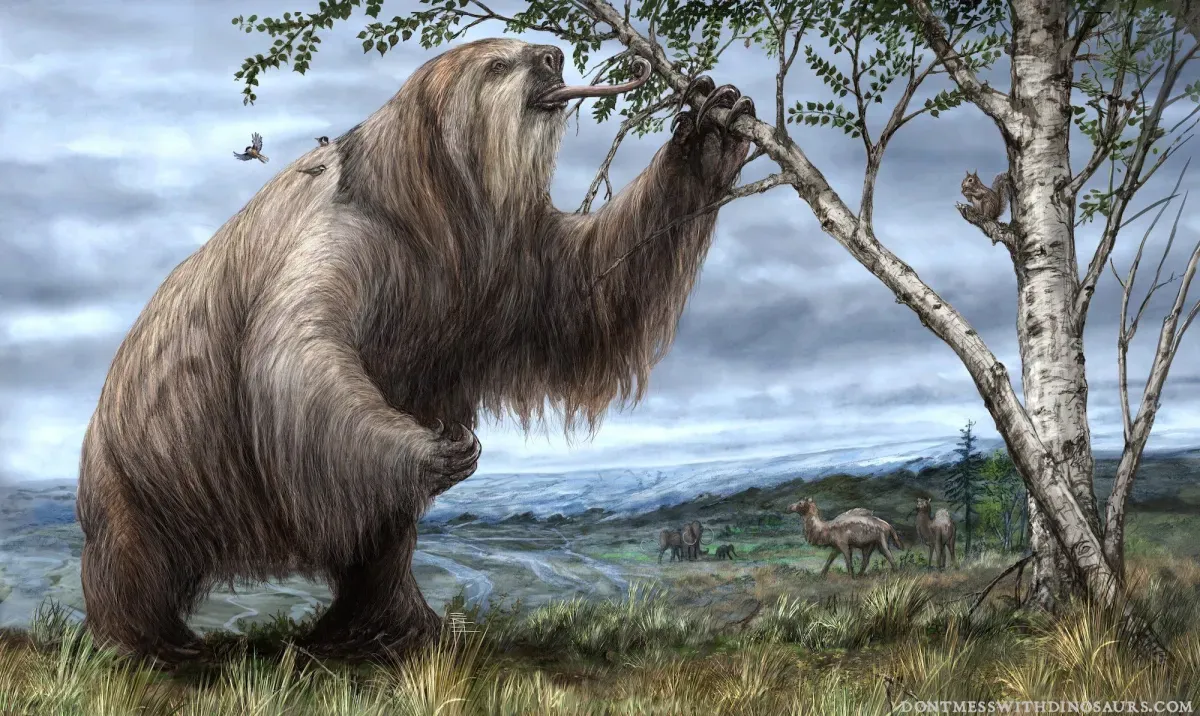
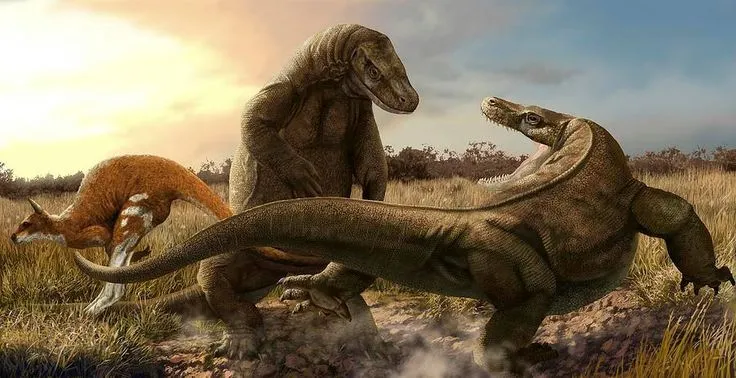
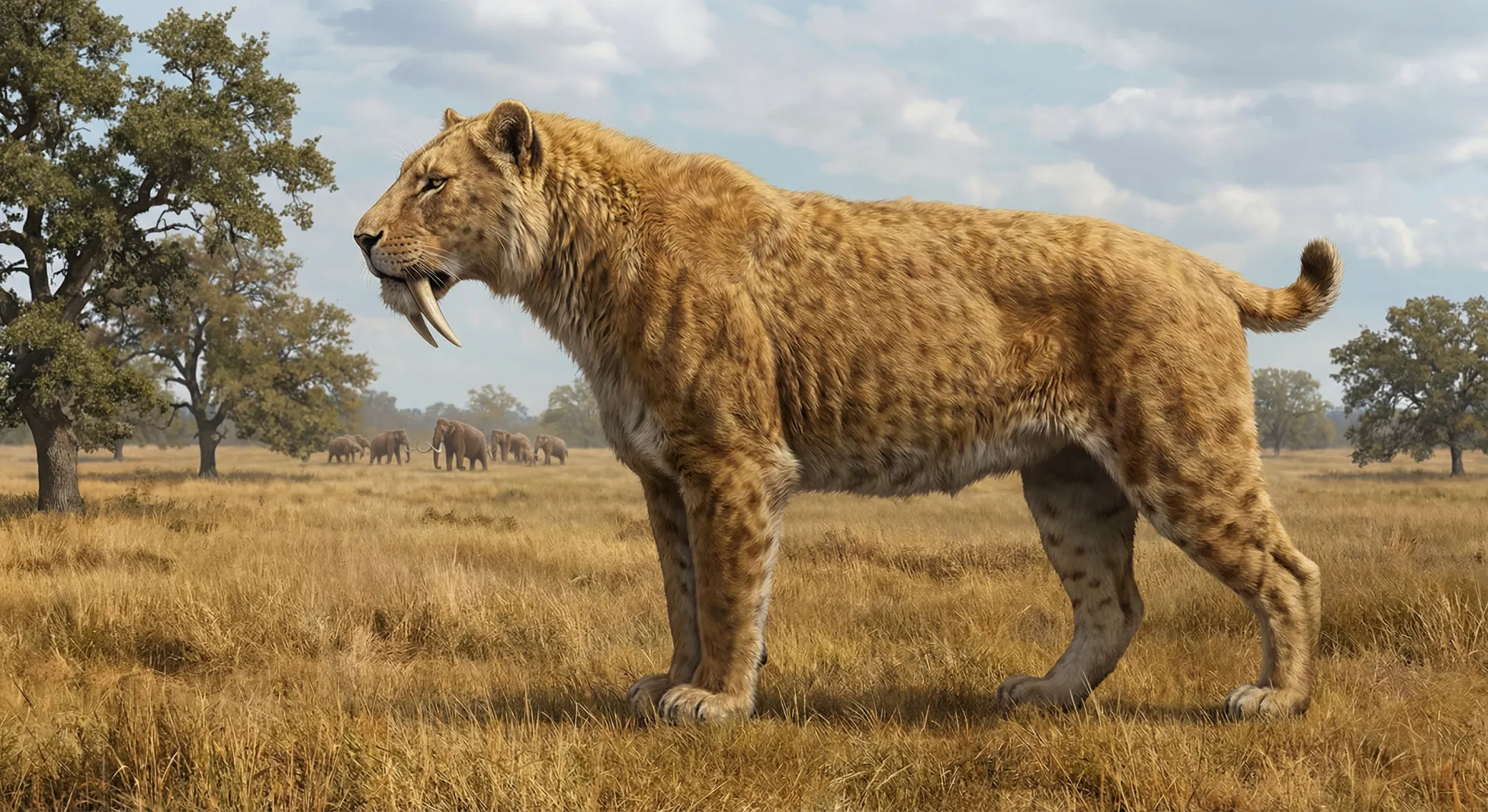
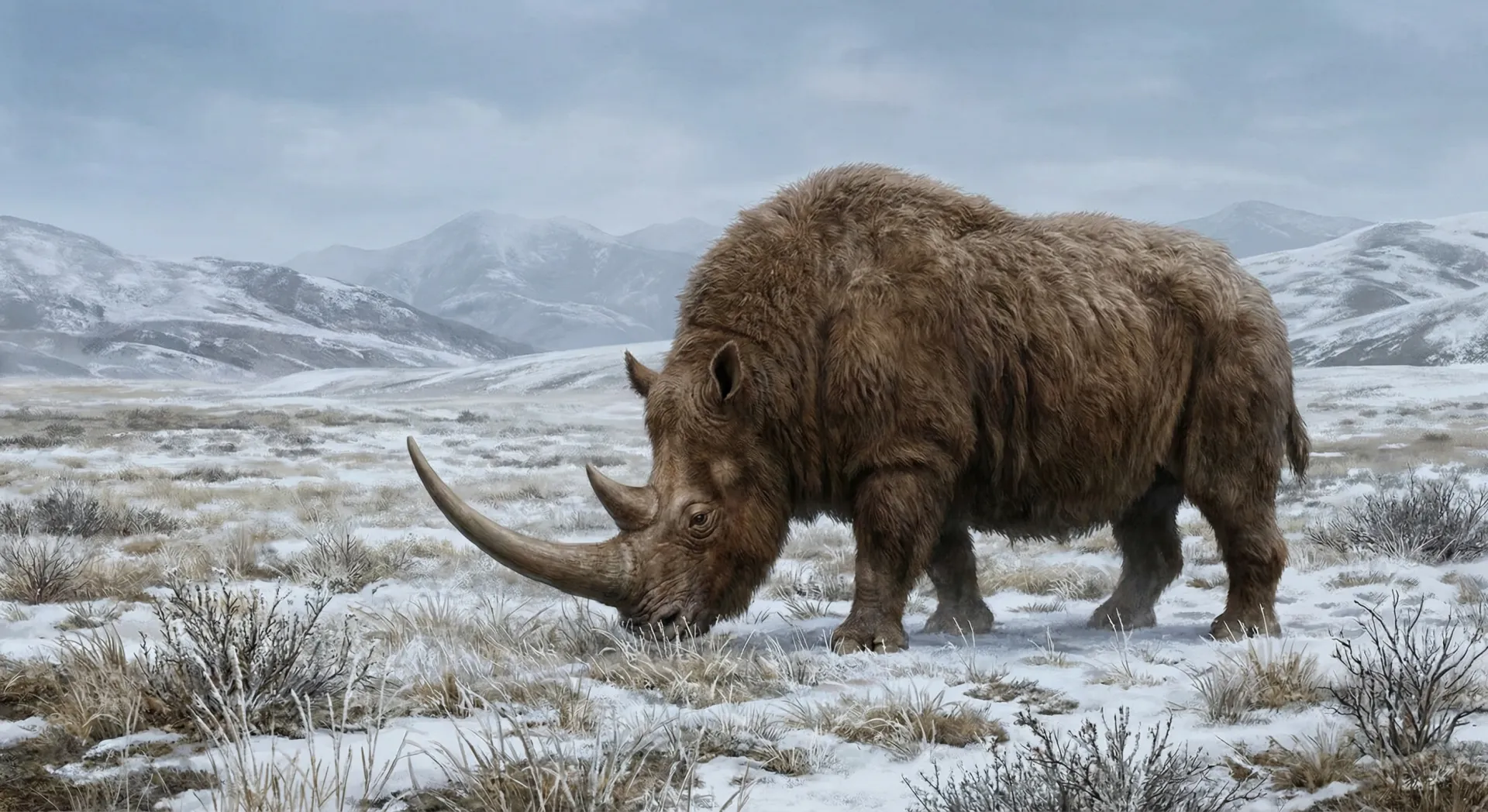
Iconic Ice Age megafauna roamed the Earth: woolly mammoths and mastodons across the Northern Hemisphere, saber-toothed cats and giant ground sloths in the Americas, cave bears and Irish elk in Europe. Most of these giants went extinct by the end of the last ice age.
Human evolution accelerated dramatically. Homo erectus was first to leave Africa, Neanderthals thrived in Europe and Asia, and Homo sapiens emerged around 300,000 years ago. Humans colonized every continent, developed agriculture about 10,000 years ago, and built civilizations.
The current epoch—the Holocene—began roughly 11,700 years ago with relatively stable, warm climate that enabled the rise of human civilization. Today, human activities are significantly impacting Earth's ecosystems and climate.
The Quaternary is our period—a time of ice and fire, megafauna and humans, and the dawn of the world we know today.