dinosaur
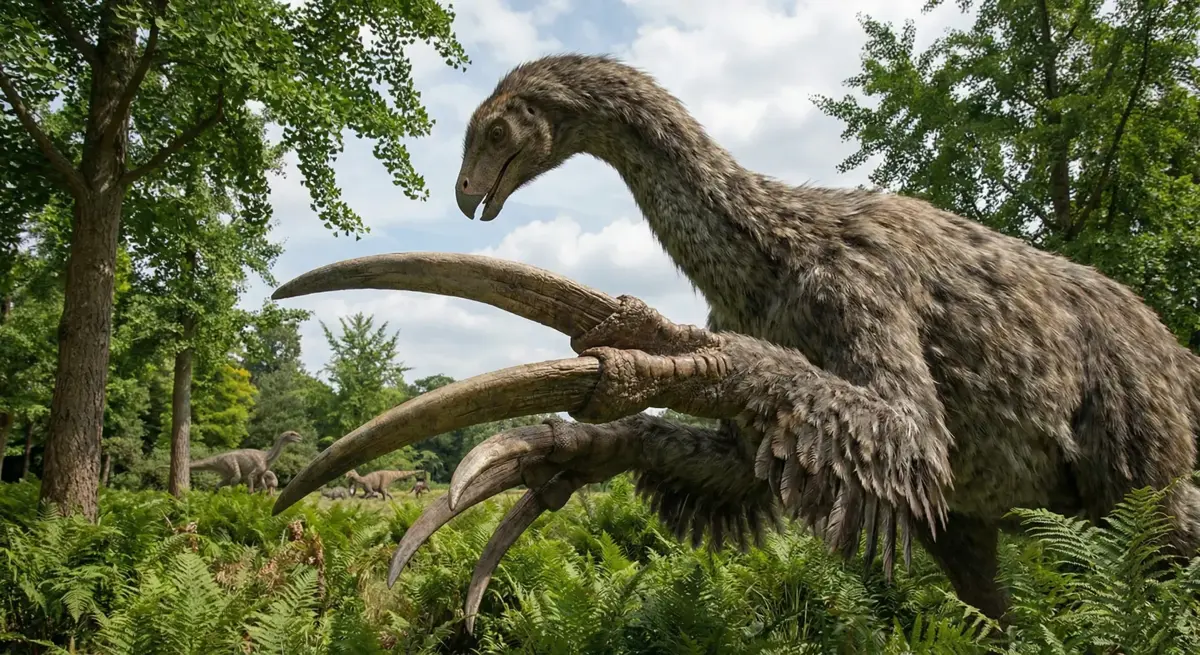
Longest Claws Ever: 1 Meter!
Therizinosaurus had the longest claws of any animal ever—up to 1 meter (3.3 feet) long! Despite looking terrifying, this dinosaur was likely a plant-eater that used its claws for grabbing vegetation.
Discover the fascinating creatures that once roamed our planet
Paleogene
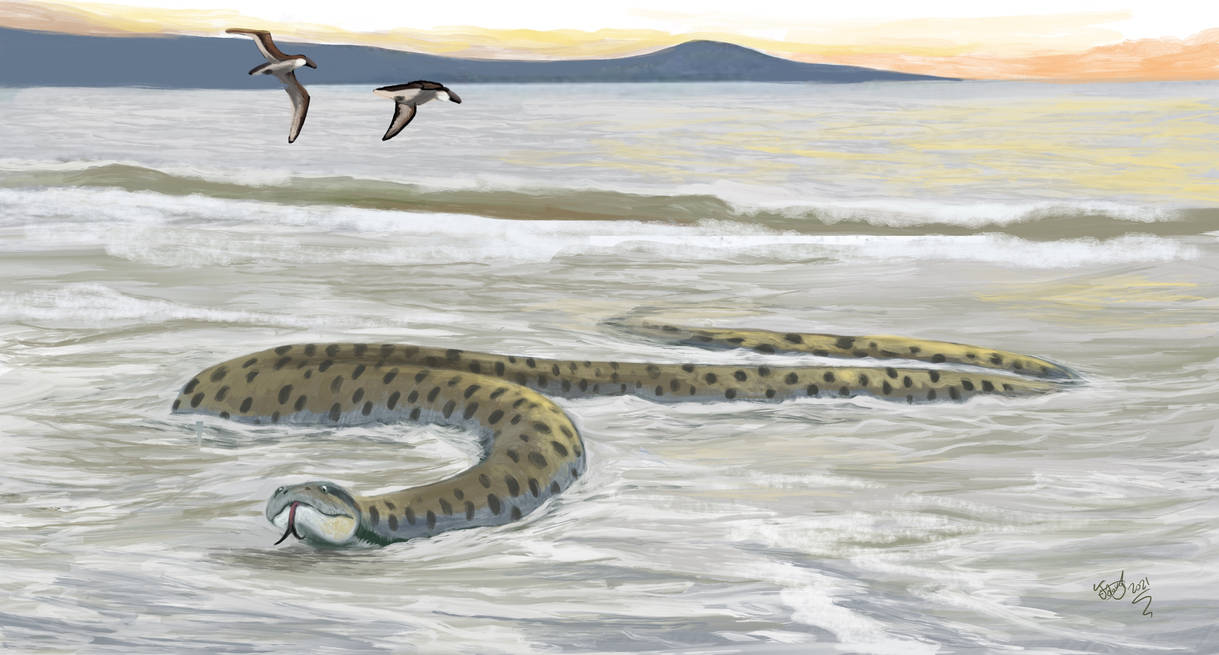
Palaeophis was a giant sea snake that lived approximately 55-50 million years ago during the Eocene epoch. This massive marine predator could grow up to 9-12 meters long—making it one ...
Learn More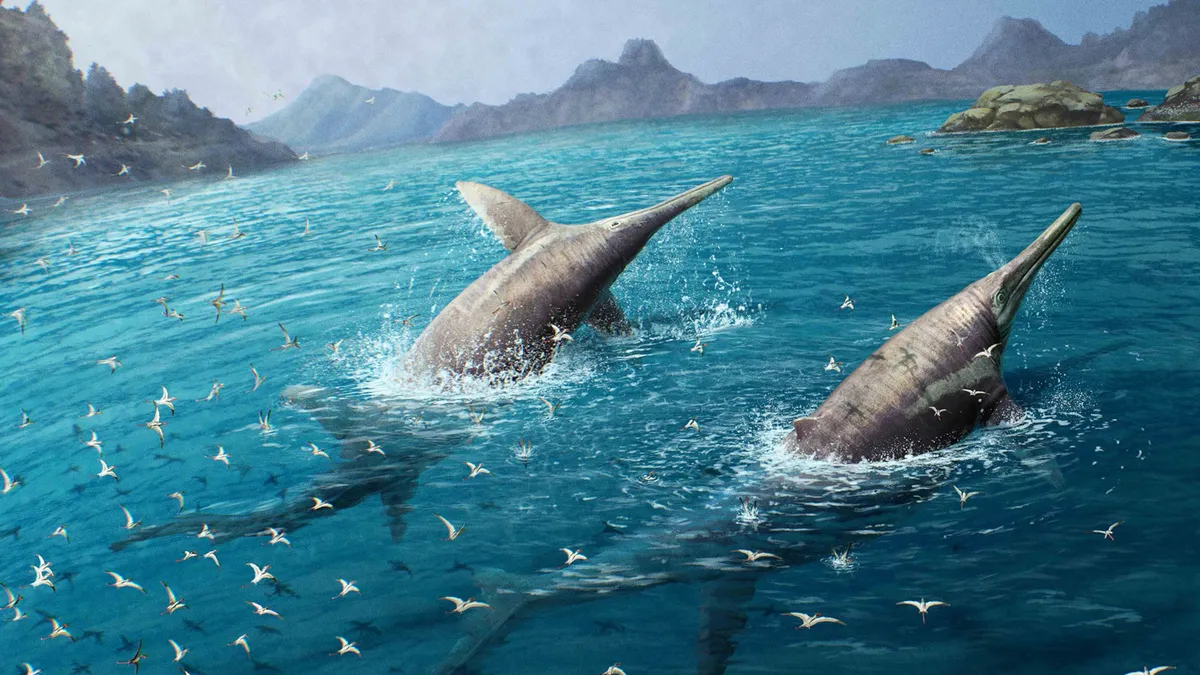
Triassic
Ichthyotitan, meaning "giant fish," may have been one of the largest animals to ever live—rivaling or even exceeding the size of modern blue whales! This massive ...
Learn More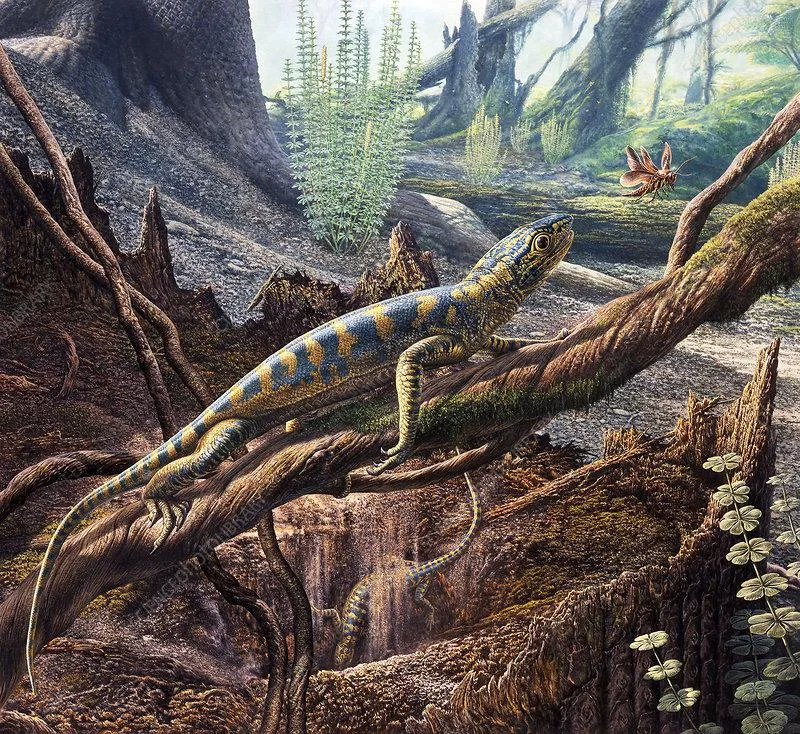
Carboniferous
Hylonomus is one of the oldest true reptiles ever discovered—a tiny lizard-like creature that lived approximately 312 million years ago during the Late Carboniferous period! This small but incredibly important ...
Learn More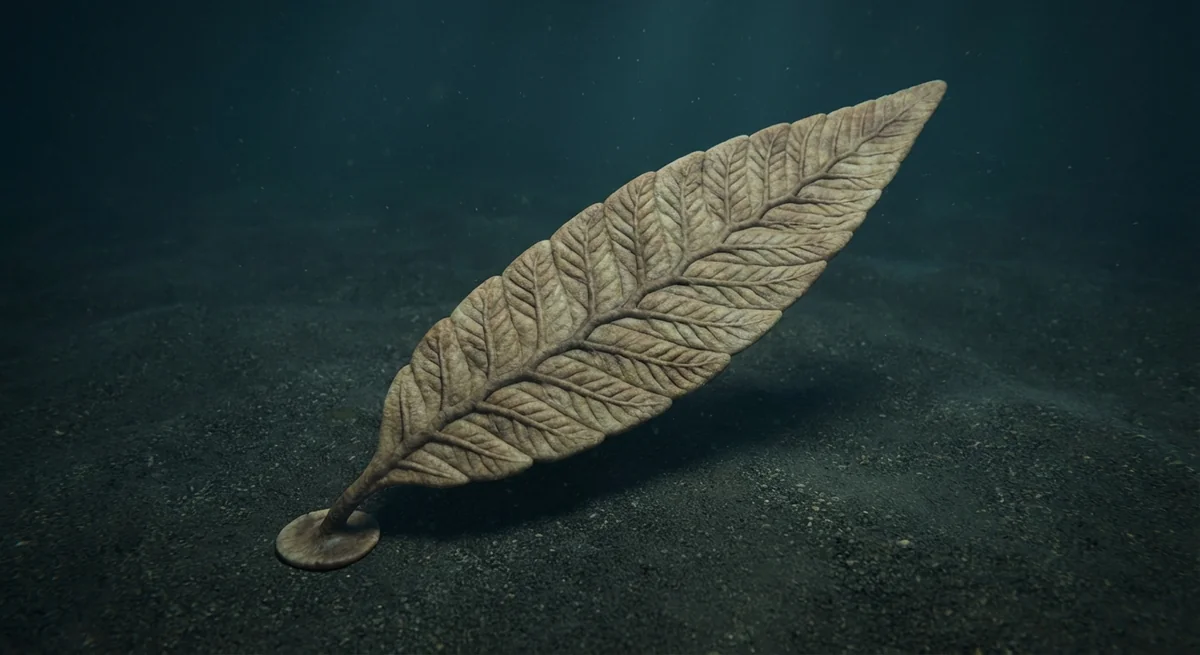
October 27, 2026
Proterozoic
Charnia is one of the most important fossils ever discovered! This mysterious frond-shaped organism lived during the Ediacaran period, approximately 575 to 555 million years ago, making it one of Earth's oldest known complex life forms. Charnia was the...
October 27, 2026
Proterozoic
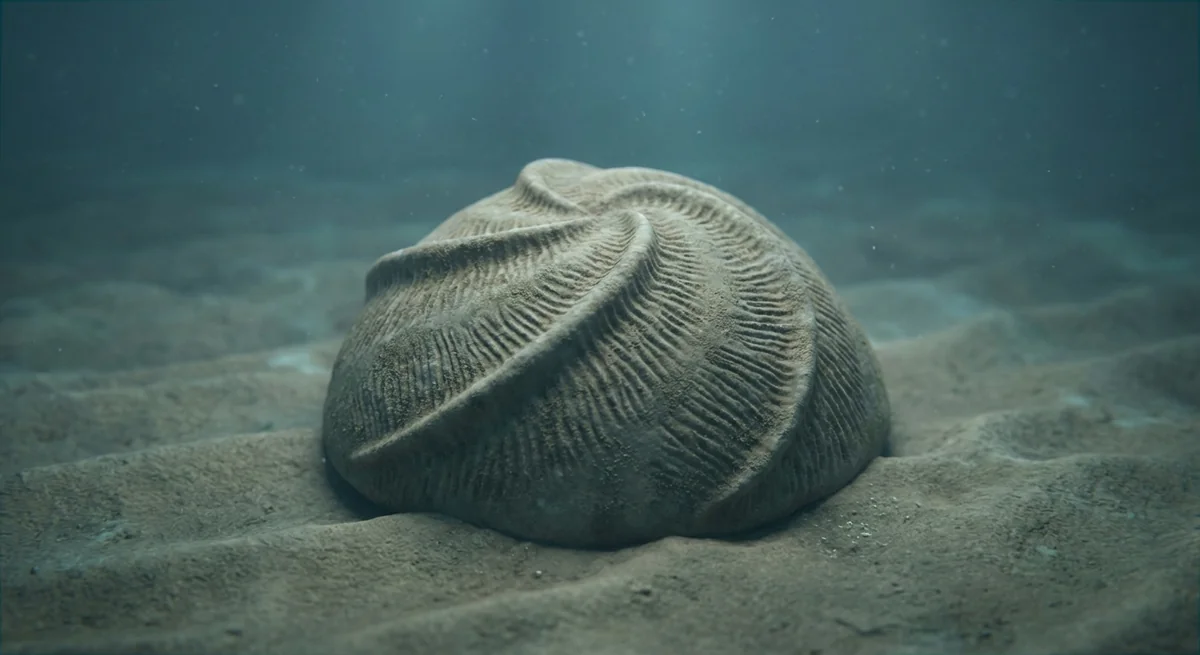
Tribrachidium is one of the strangest creatures to ever exist! Living during the Ediacaran period about 558-555 million years ago, this bizarre disc-shaped organism had three-fold symmetry — a body plan found in no living animal today. It...
October 27, 2026
Proterozoic
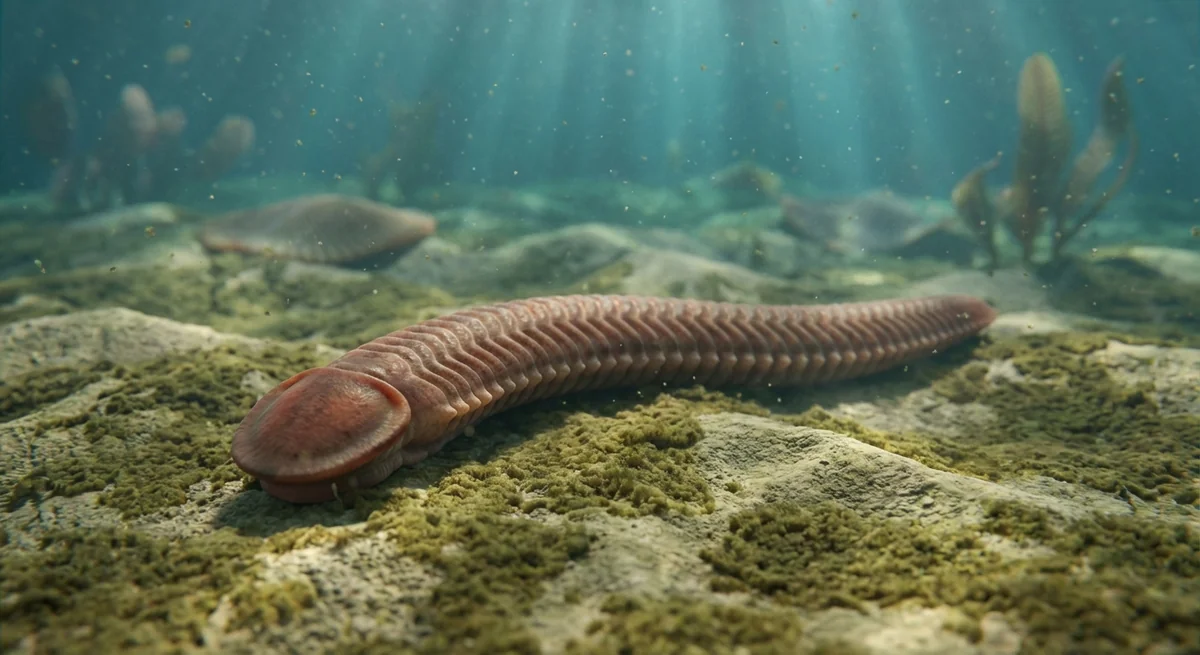
Spriggina is one of the most intriguing fossils from the Ediacaran period, living approximately 550-560 million years ago. With its distinctive horseshoe-shaped head and segmented body, it has sparked decades of debate about whether it represents...
October 27, 2026
Cambrian
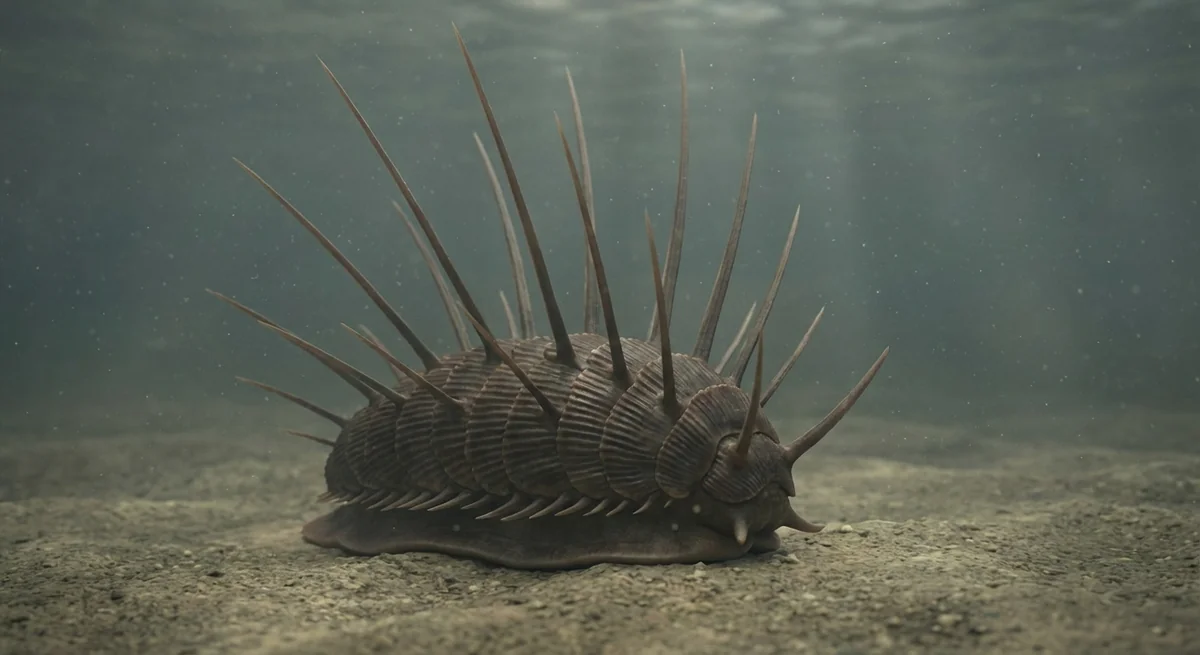
Wiwaxia is one of the strangest creatures from the Cambrian Explosion, living approximately 508 million years ago. This bizarre armored slug-like animal was covered in overlapping scales and tall defensive spines, making...
October 27, 2026
Cambrian
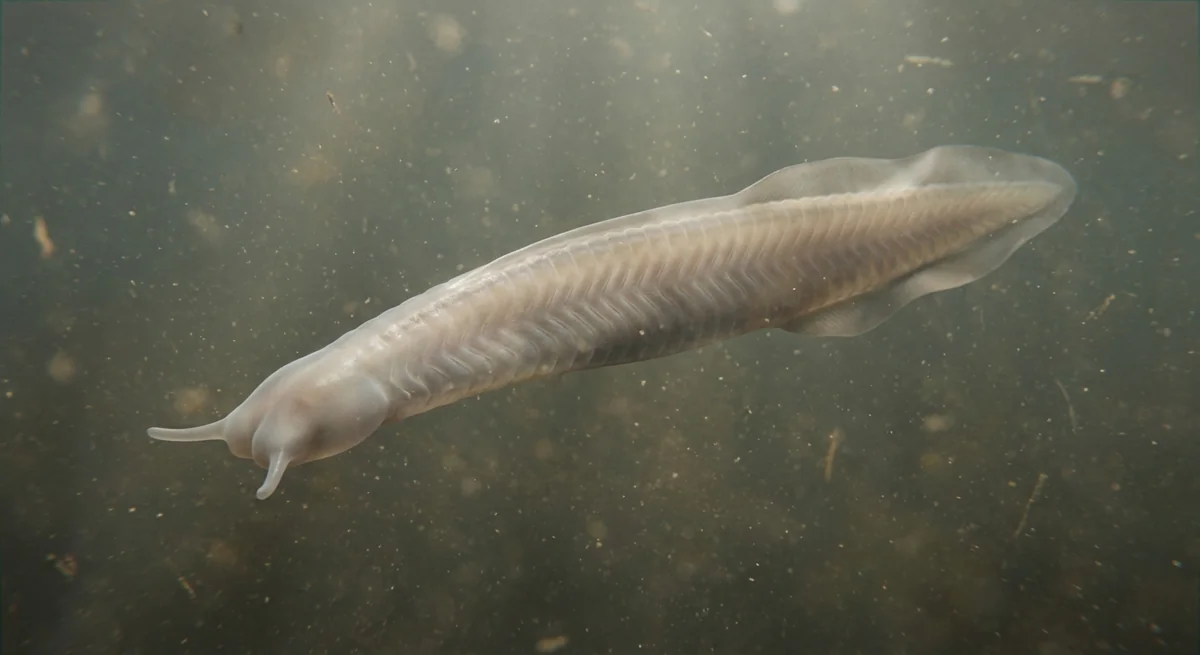
Pikaia is one of the most important fossils ever discovered—it may be one of our earliest ancestors! This small, leaf-shaped swimmer lived approximately 508 million years ago during the Middle Cambrian period....
October 27, 2026
Cambrian
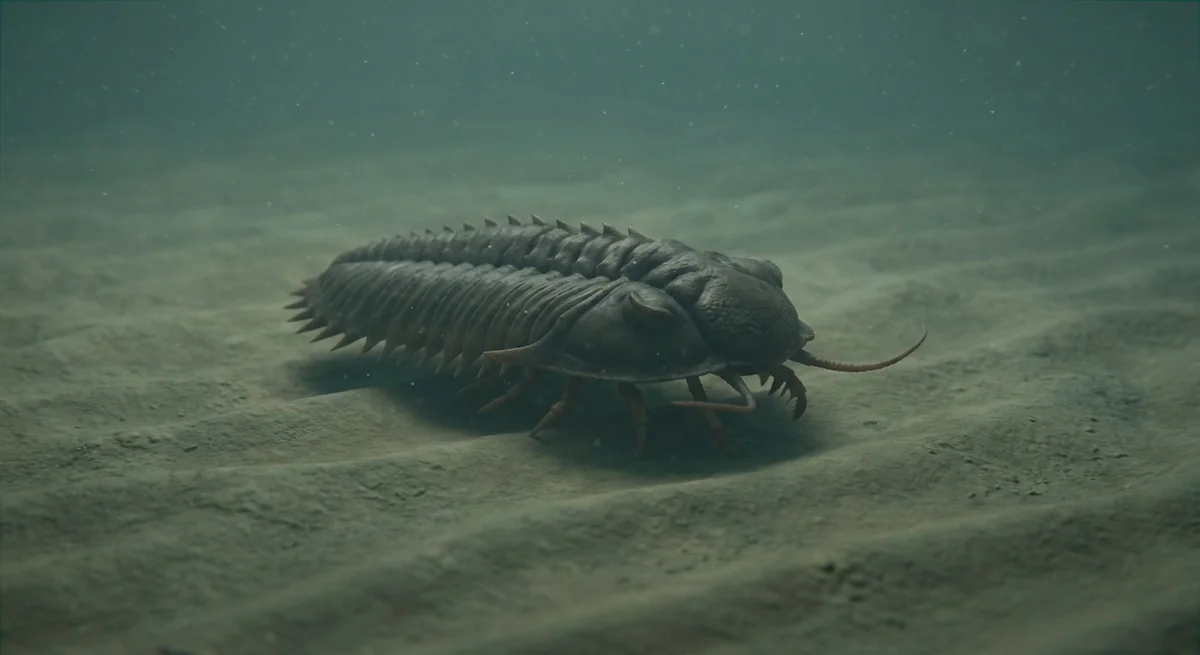
Olenoides serratus is one of the most famous and scientifically important trilobites ever discovered! Living approximately 508 million years ago during the Middle Cambrian, this trilobite is celebrated for its exceptional...
October 27, 2026
Cambrian
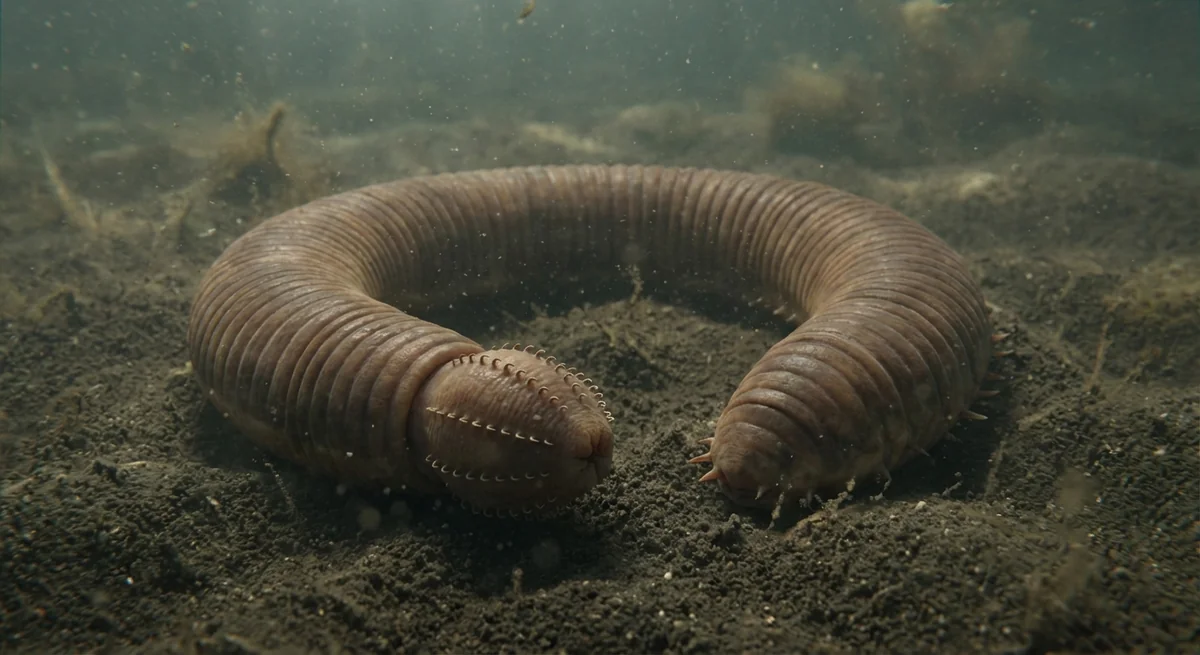
Ottoia was a fearsome predatory worm that terrorized the Cambrian seafloor approximately 508 million years ago. As the most abundant worm in the famous Burgess Shale, this priapulid (penis worm) used its...
February 2, 2026
Proterozoic
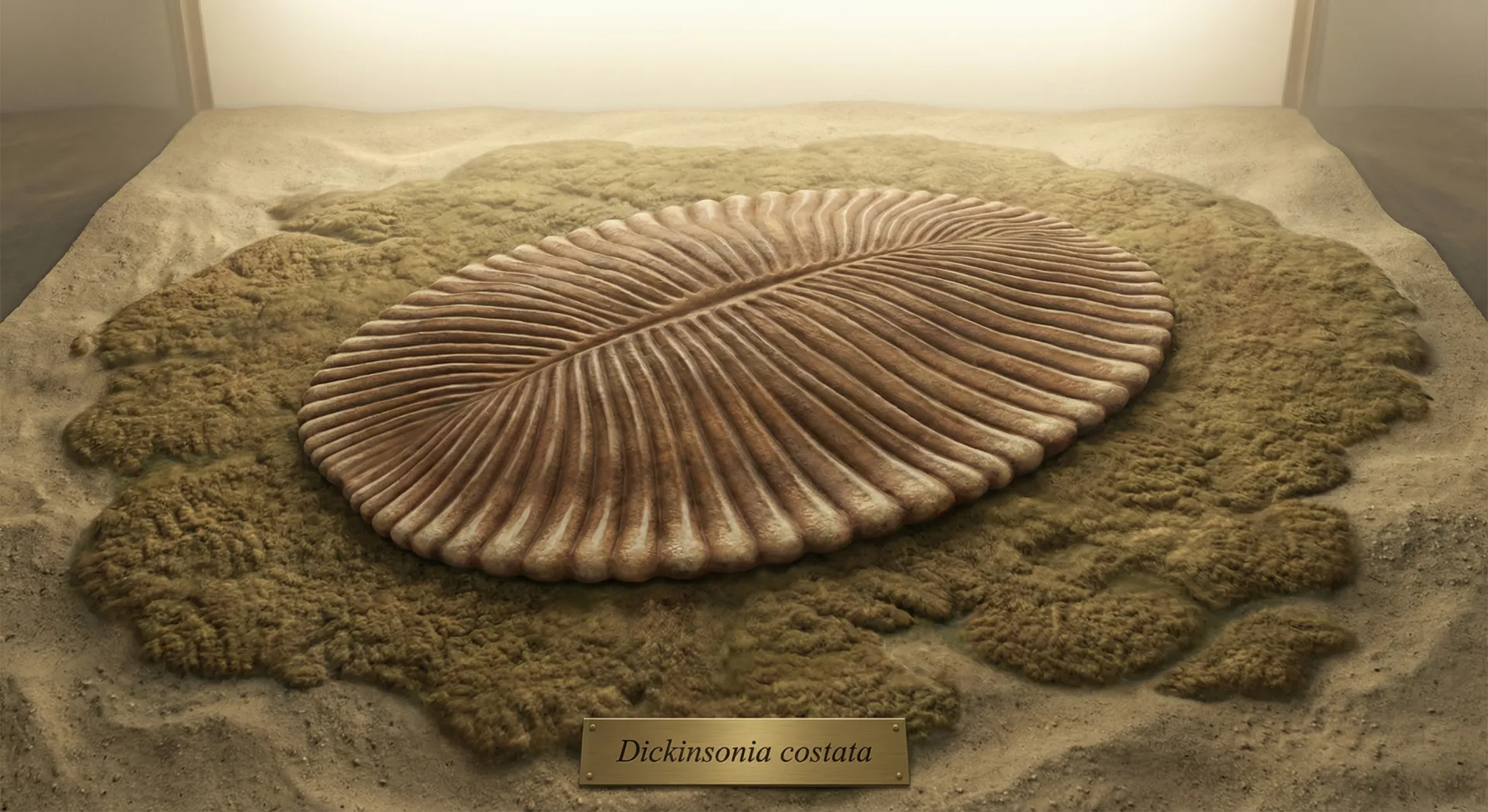
Dickinsonia is one of the most mysterious and ancient creatures ever found! Living during the Ediacaran period about 558-555 million years ago, it was one of Earth's earliest complex life forms. This bizarre oval-shaped organism lived...
February 2, 2026
Ordovician
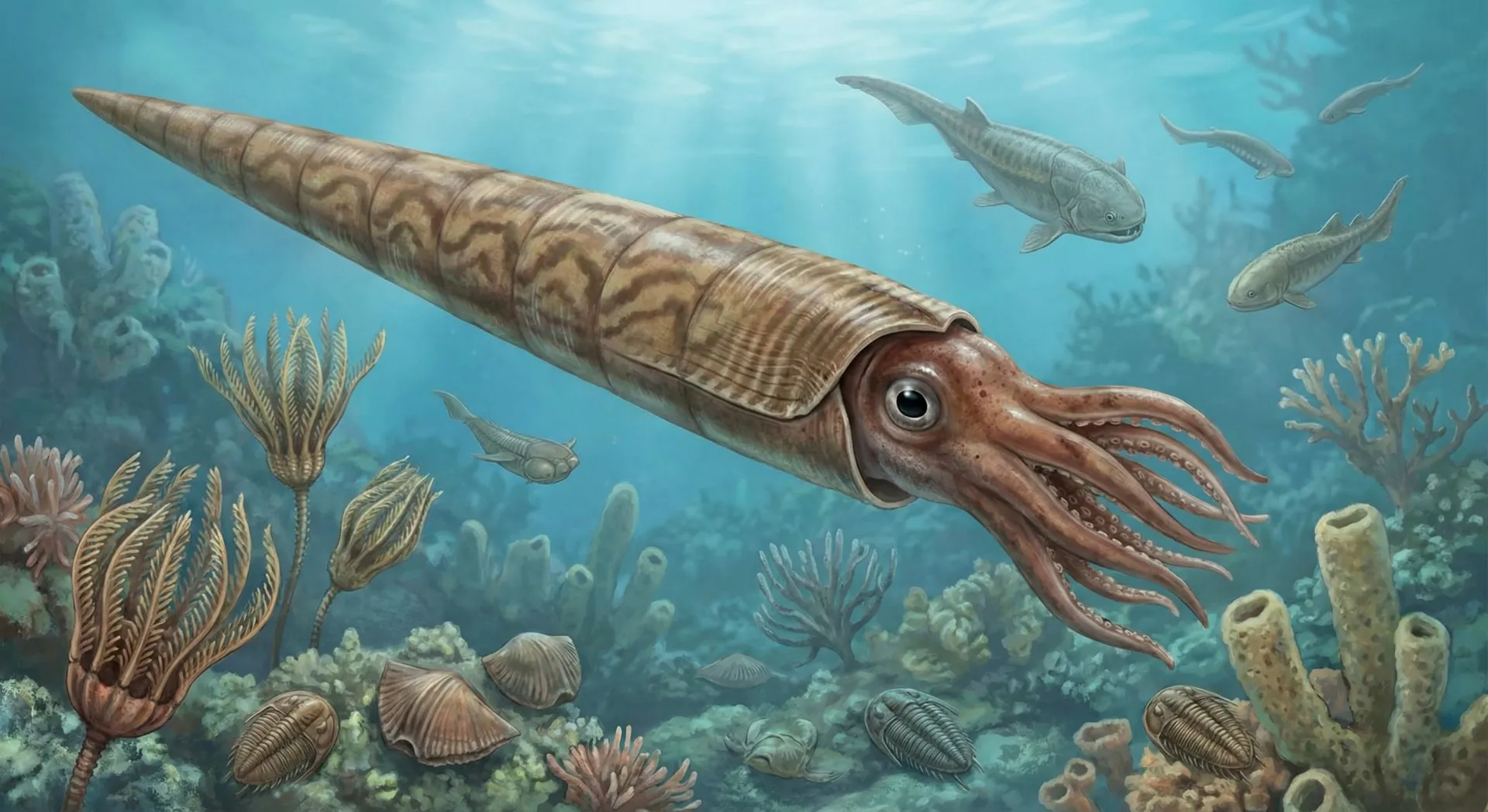
Orthoceras was an ancient straight-shelled nautiloid—an early relative of today's squids and octopuses! Living from the Ordovician to Triassic periods (around 485-200 million years ago), these jet-propelled hunters had long, cone-shaped shells and were among the...
February 2, 2026
Silurian
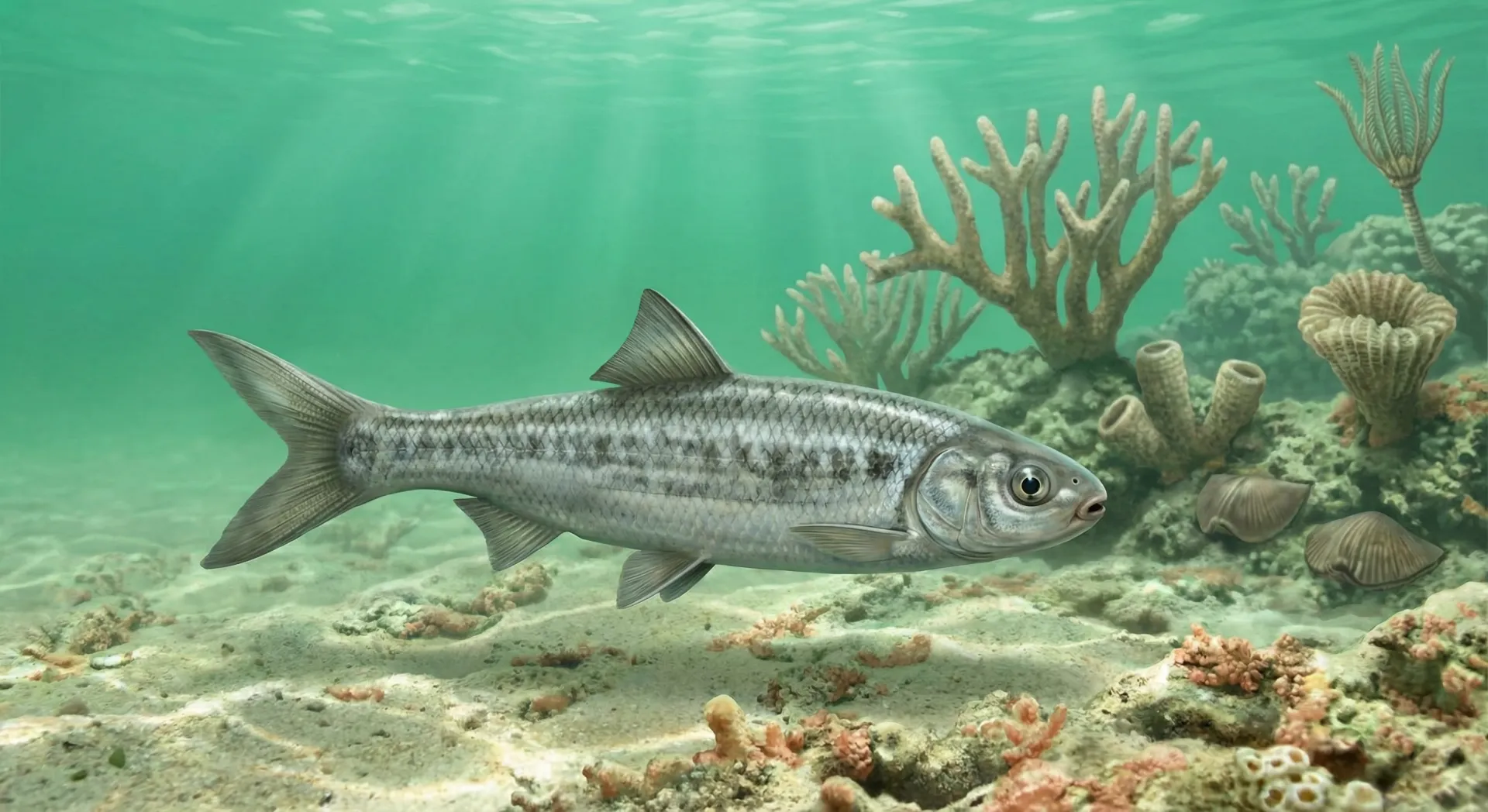
Birkenia was a tiny jawless fish that swam in ancient Silurian seas about 430 million years ago! At only 10 cm (4 inches) long, this small but important fish was an anaspid—one of the early vertebrates that...
February 2, 2026
Devonian
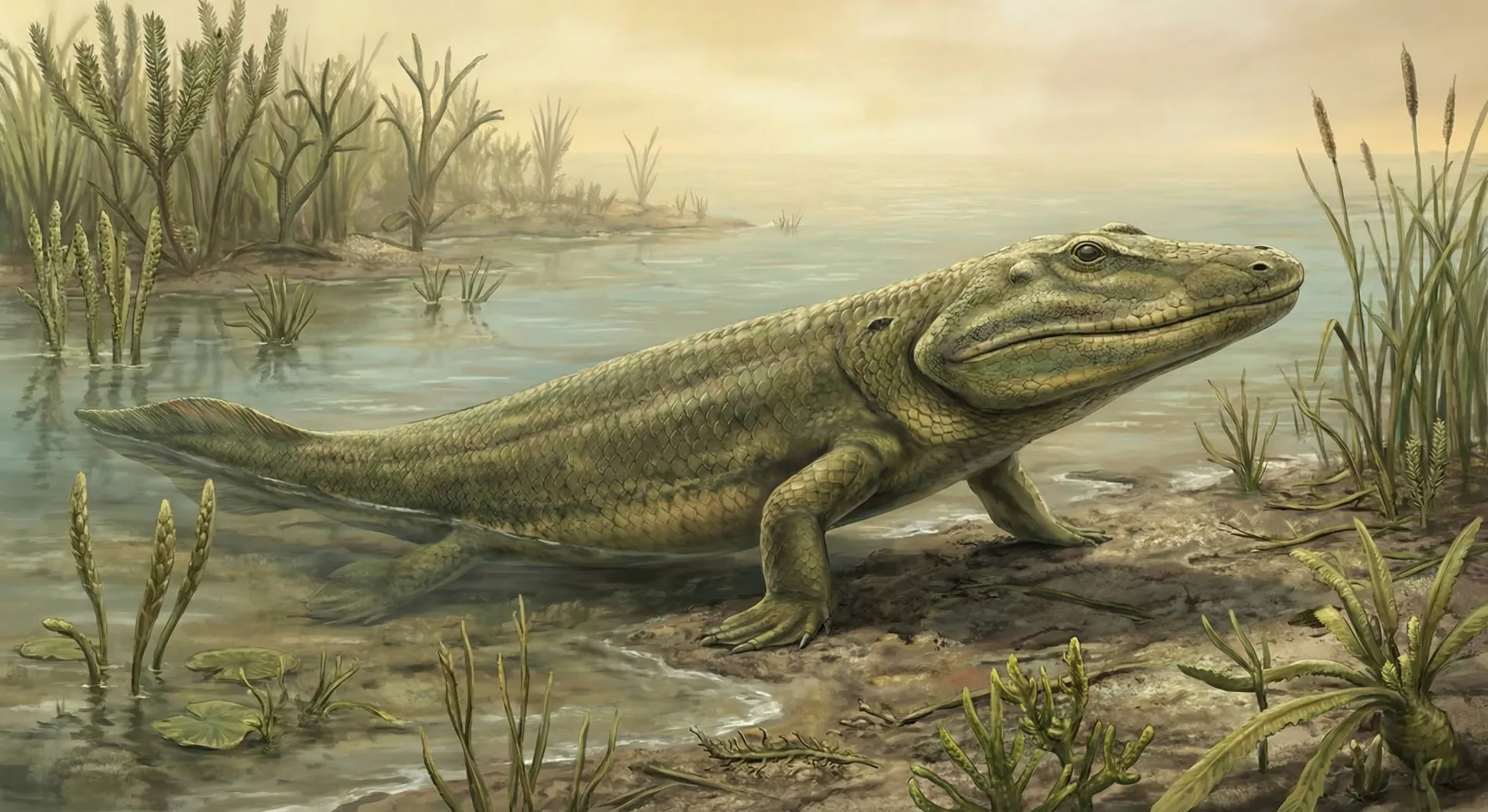
Tiktaalik is one of the most important fossils ever discovered—a 375-million-year-old "fishapod" that shows the transition from fish to land animals! Found in the Canadian Arctic in 2004,...
February 2, 2026
Neogene
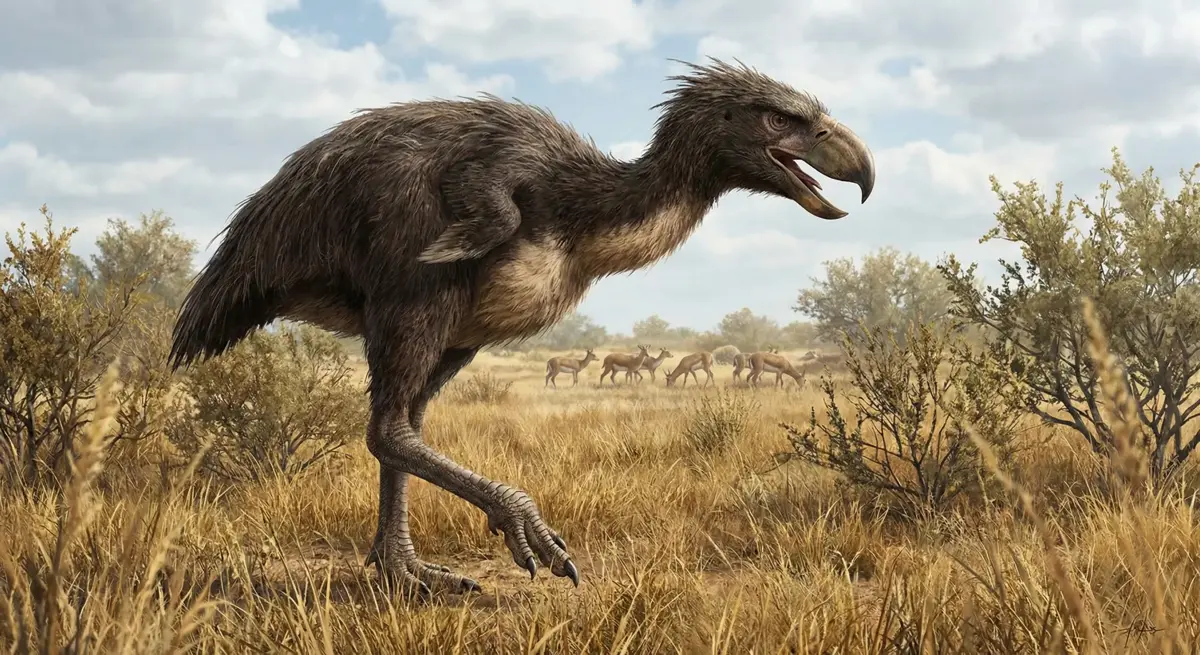
Phorusrhacos was one of the most terrifying "terror birds"—giant flightless predatory birds that ruled South America for millions of years! Standing 2.5 meters (8 feet) tall with a massive hooked beak, this apex...
February 2, 2026
Quaternary
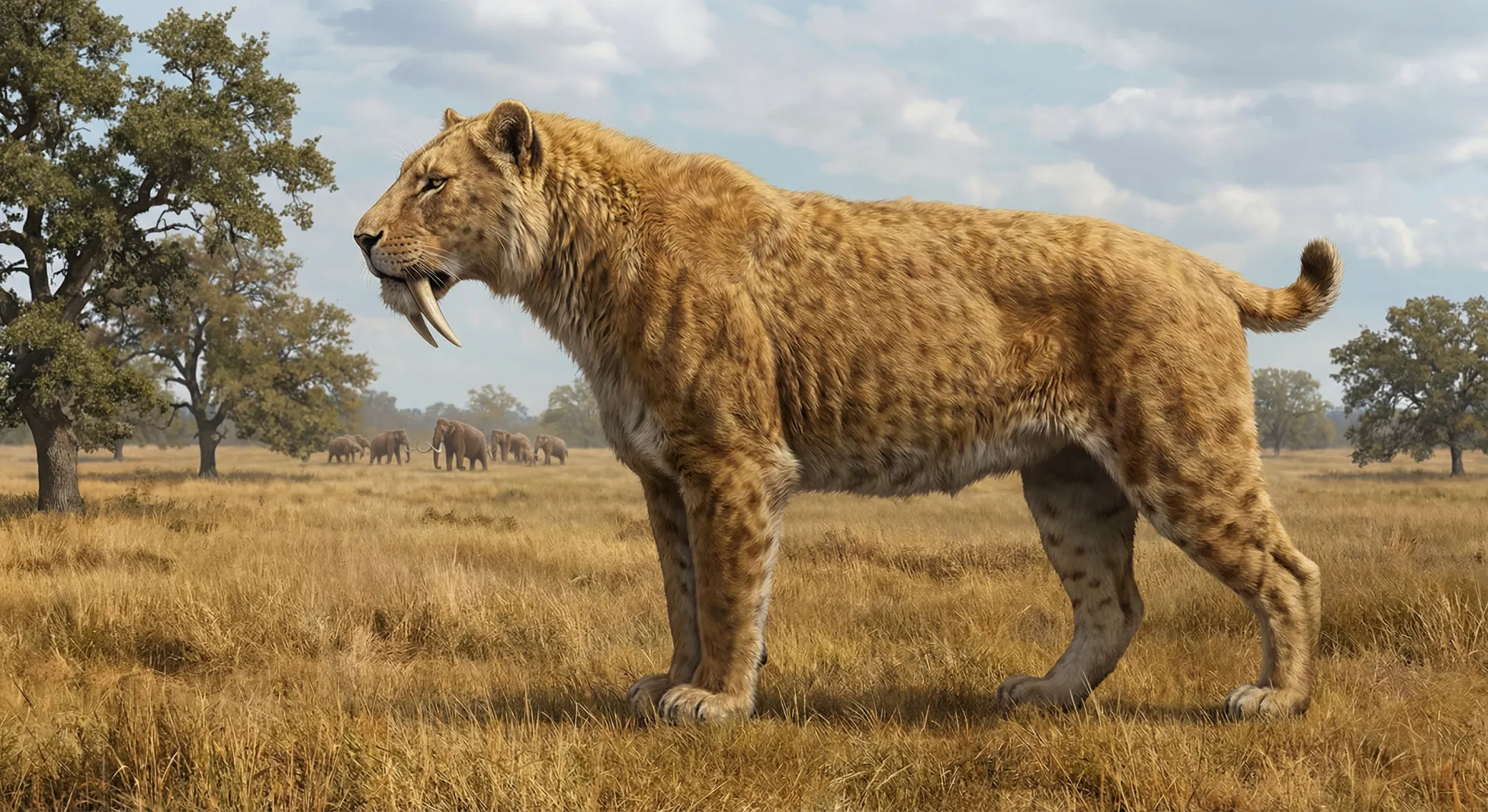
Smilodon, the famous "saber-toothed cat," was one of the most iconic predators of the Ice Age! Living from about 2.5 million to 10,000 years ago, this powerful cat had enormous canine teeth that could...
February 2, 2026
Quaternary
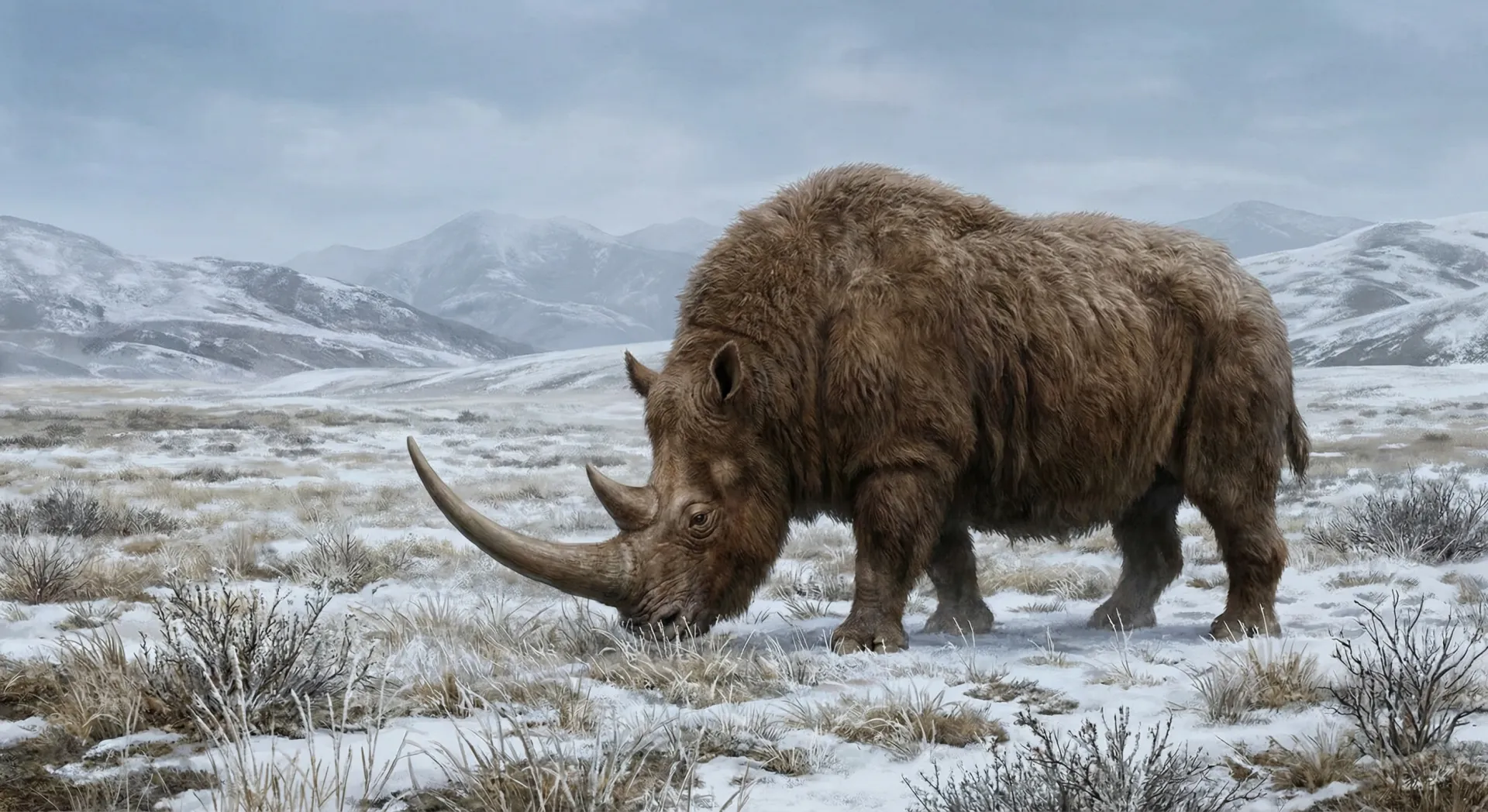
The Woolly Rhinoceros was a massive, shaggy beast that roamed the frozen steppes of Ice Age Europe and Asia! Living from about 350,000 to 10,000 years ago, this incredible animal was perfectly...
February 2, 2026
Permian
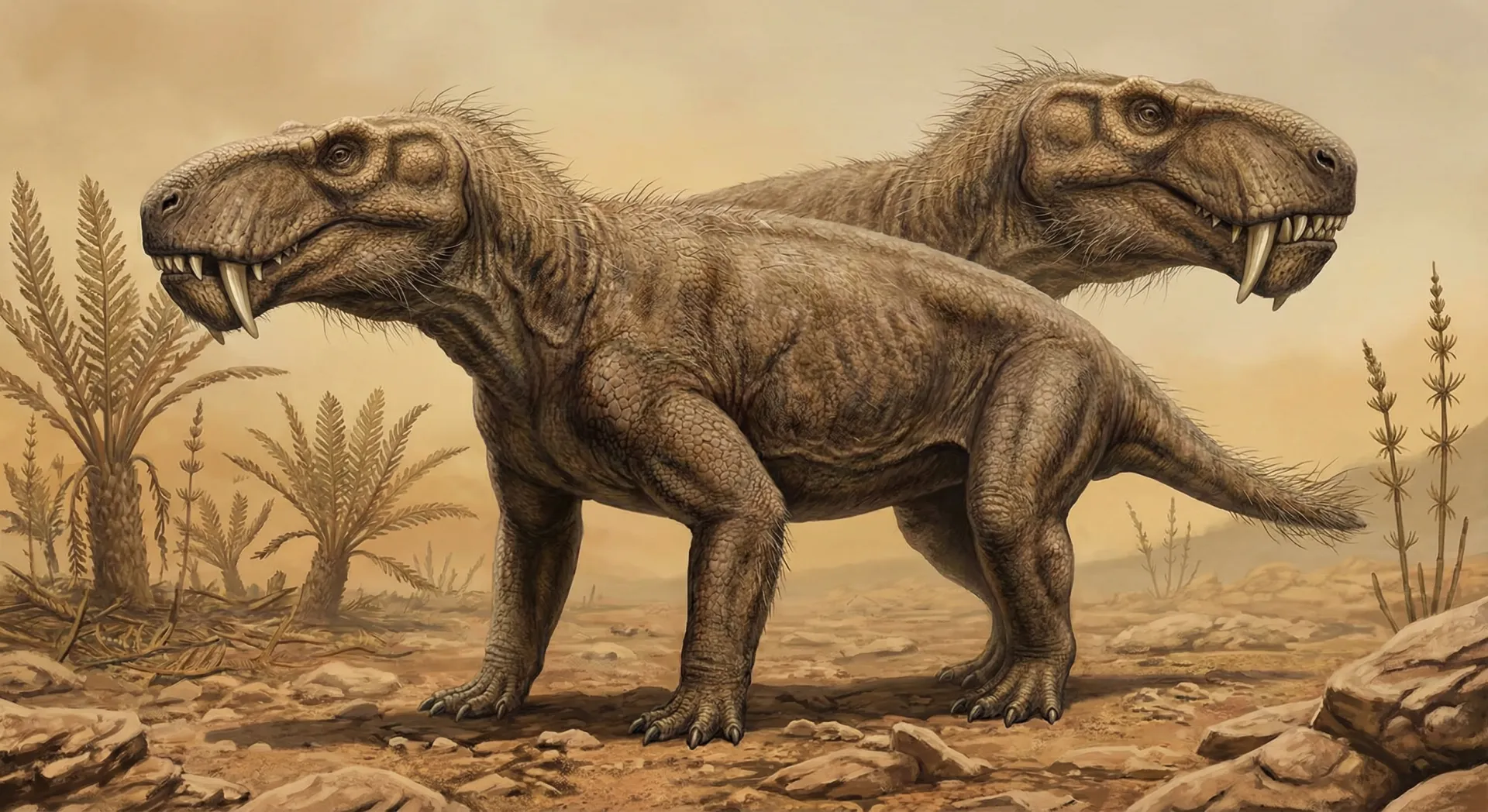
Gorgonops was one of the most fearsome predators of the Late Permian period, approximately 260-252 million years ago! Named after the Gorgons of Greek mythology (monsters with snakes for hair), this...
Therizinosaurus had the longest claws of any animal ever—up to 1 meter (3.3 feet) long! Despite looking terrifying, this dinosaur was likely a plant-eater that used its claws for grabbing vegetation.
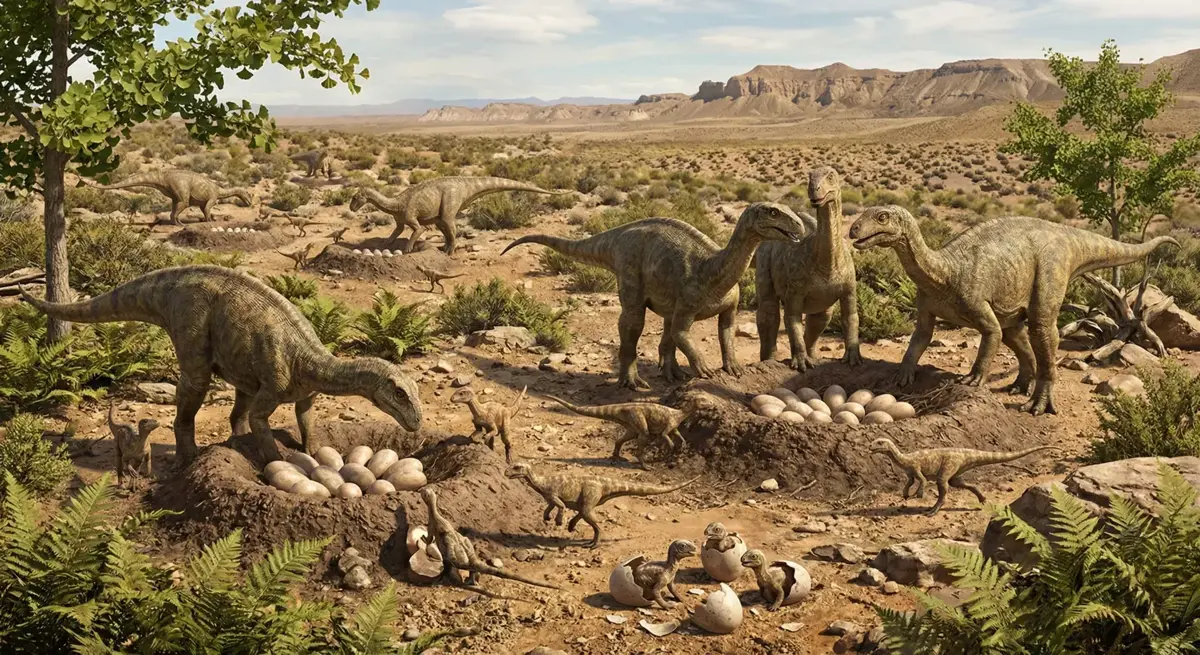
The earliest evidence of herd behavior dates to 193 million years ago! Over 100 Mussaurus eggs and 80 skeletons were found together in Patagonia, showing complex social behavior.

The first flowering plants appeared around 130 million years ago, during the Cretaceous period, revolutionizing plant evolution.

Spinosaurus had a paddle-like tail and dense bones for buoyancy—it was semi-aquatic! This 15-meter predator hunted fish in rivers like a giant crocodile-dinosaur hybrid.
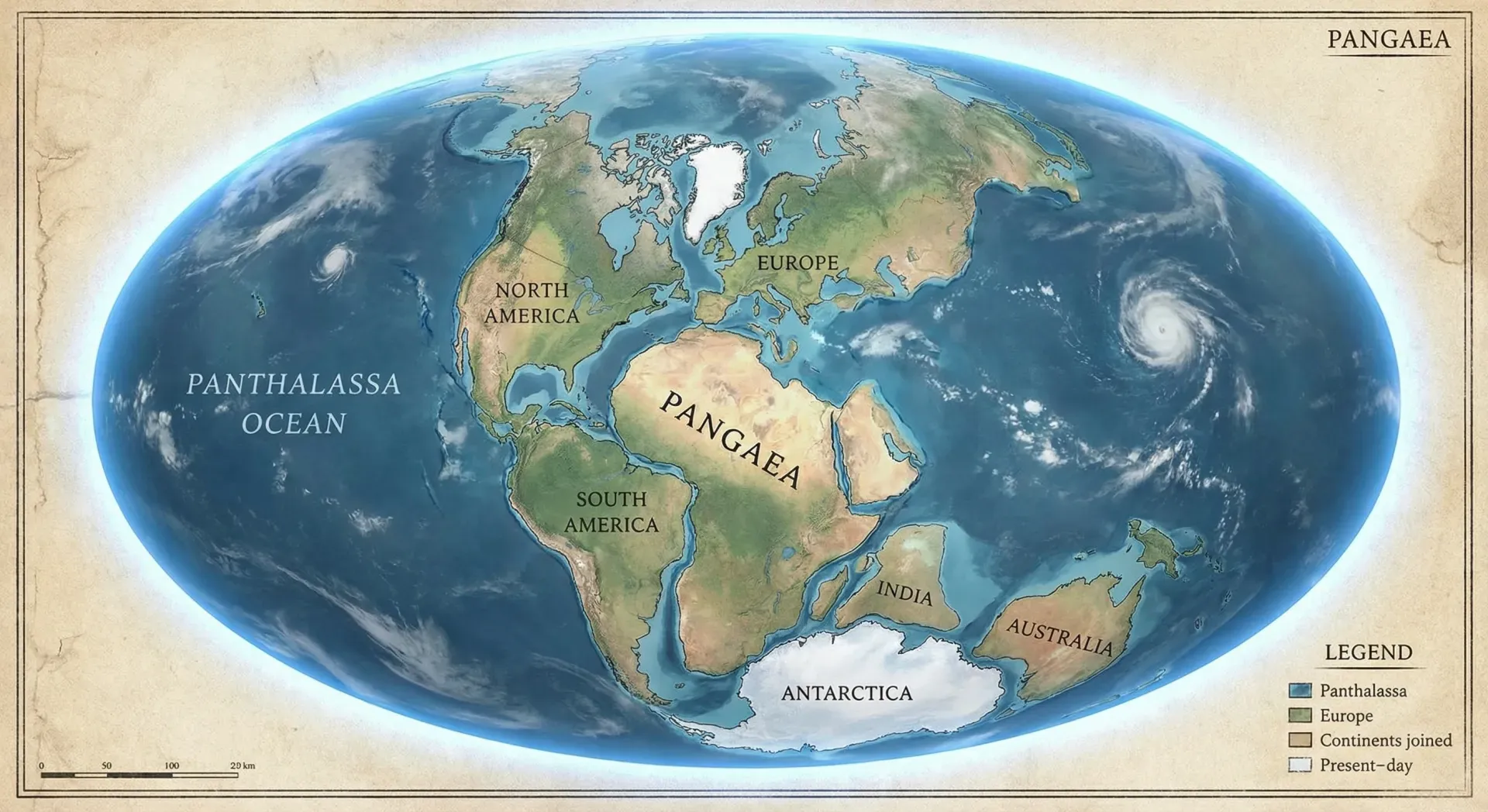
About 335 million years ago, all continents were joined into one supercontinent called Pangaea. You could have walked from Antarctica to the Arctic!
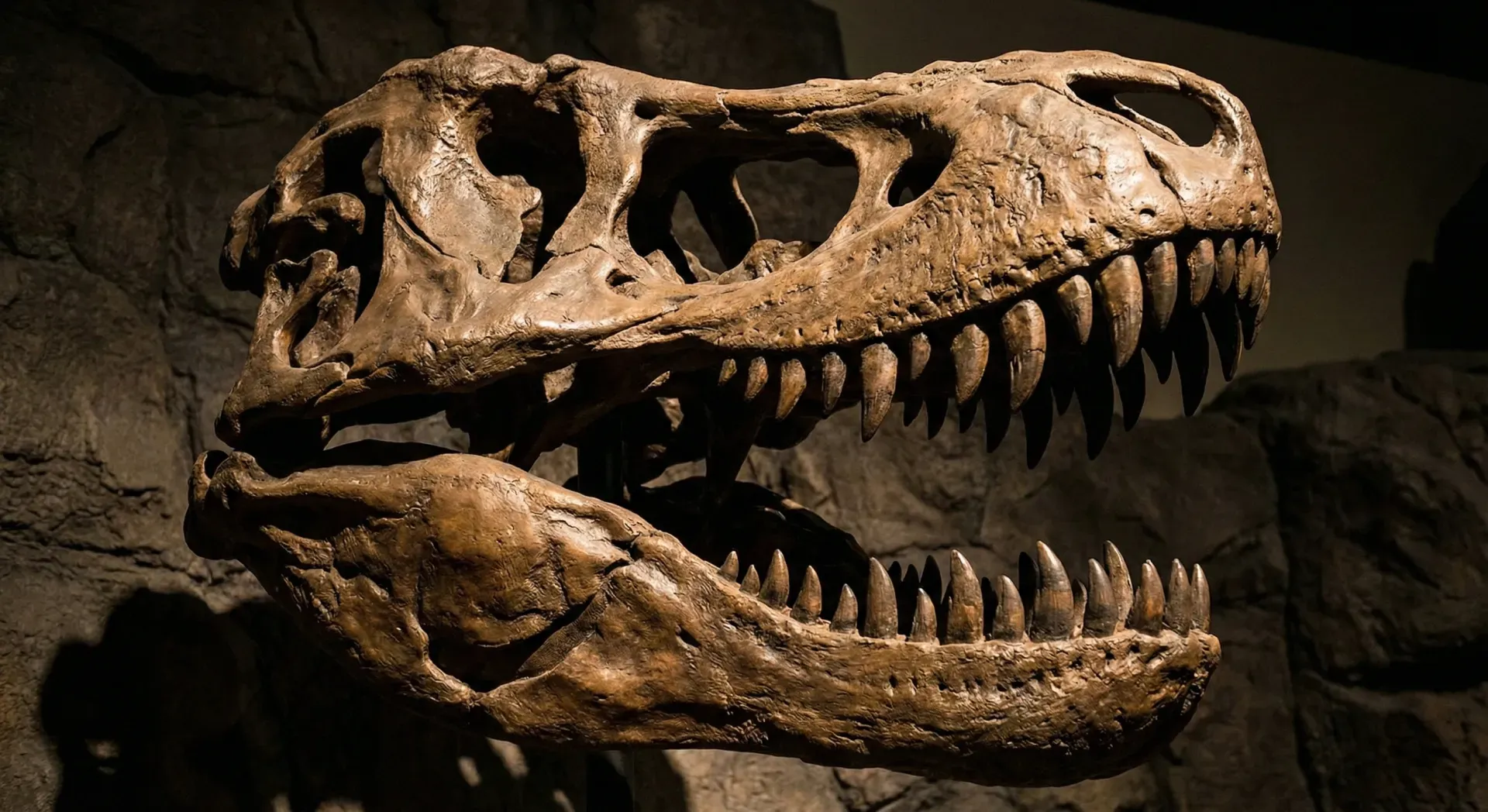
T-Rex could bite with a force of up to 57,000 Newtons—like having a medium-sized elephant sit on you! This is the strongest bite force of any land animal that ever lived.
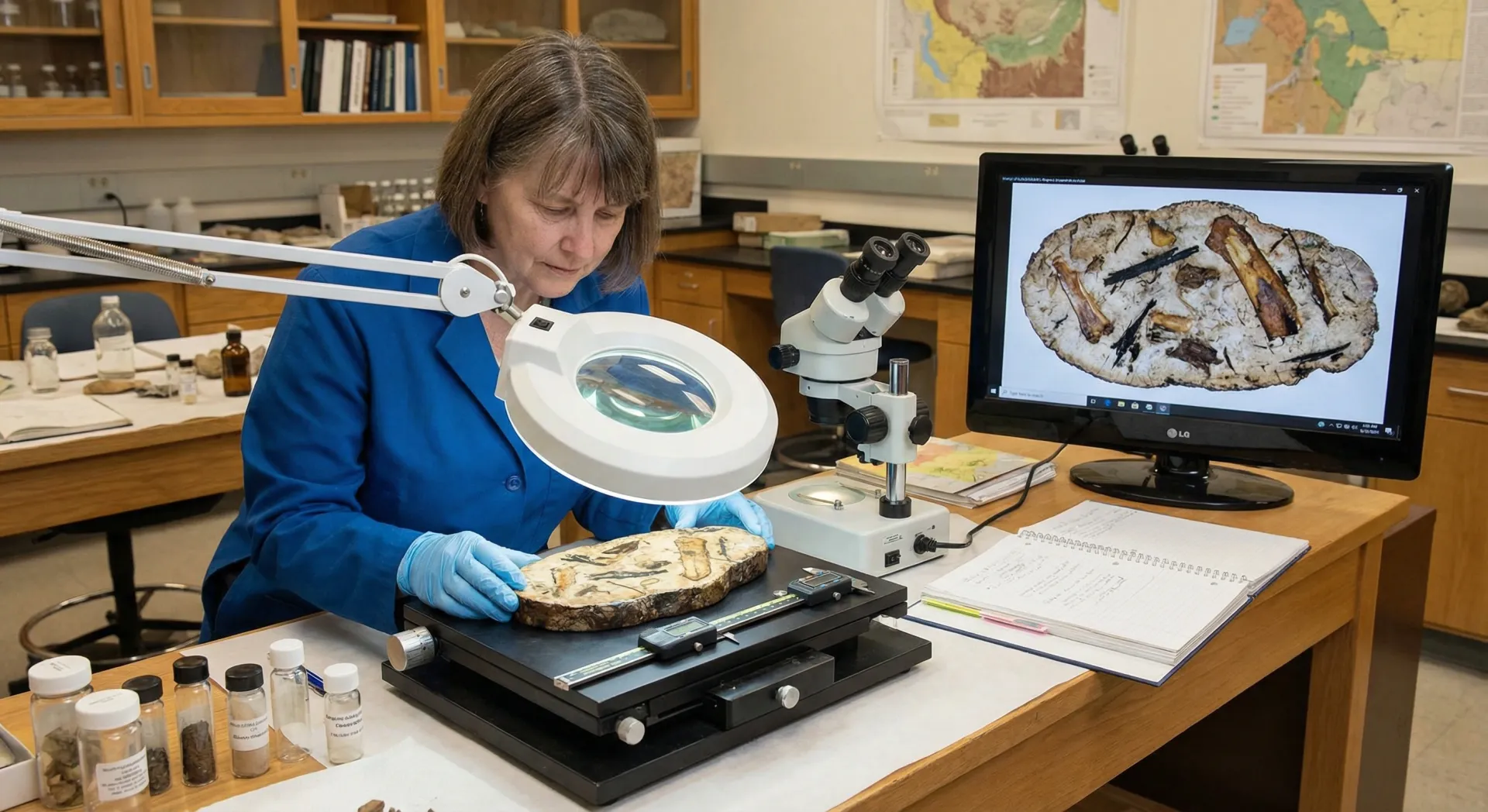
Scientists study fossilized dinosaur poop (coprolites) to learn what they ate! A 2024 study of 500+ coprolites showed early dinosaurs were "opportunistic" eaters—they ate everything.

In 2005, scientist Mary Schweitzer discovered soft tissue, including flexible blood vessels, inside a 68-million-year-old T-Rex bone—a discovery that shocked the scientific world.
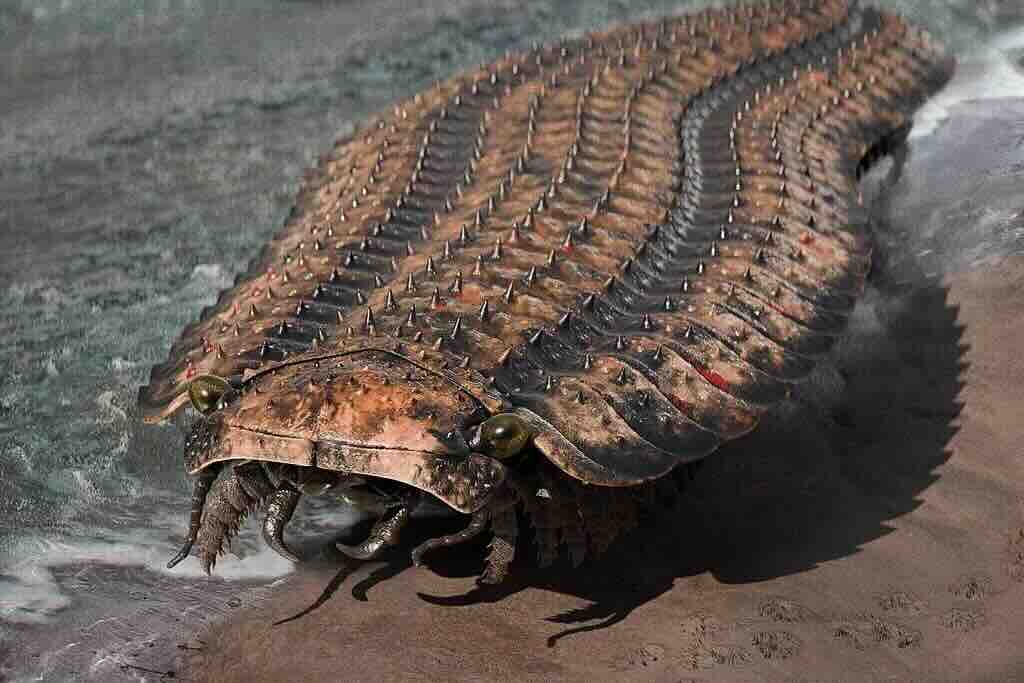
During the Carboniferous period, insects grew to enormous sizes due to higher oxygen levels. Dragonflies had wingspans up to 65 cm!

The oldest creatures preserved in amber are 230 million years old! These tiny mites from Italy are 100 million years older than any other amber fossils, perfectly frozen in tree resin.
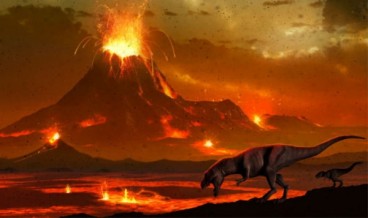
The K-Pg extinction, caused by an asteroid impact 66 million years ago, wiped out 75% of species, including non-avian dinosaurs, due to climate shifts, wildfires, and tsunamis.
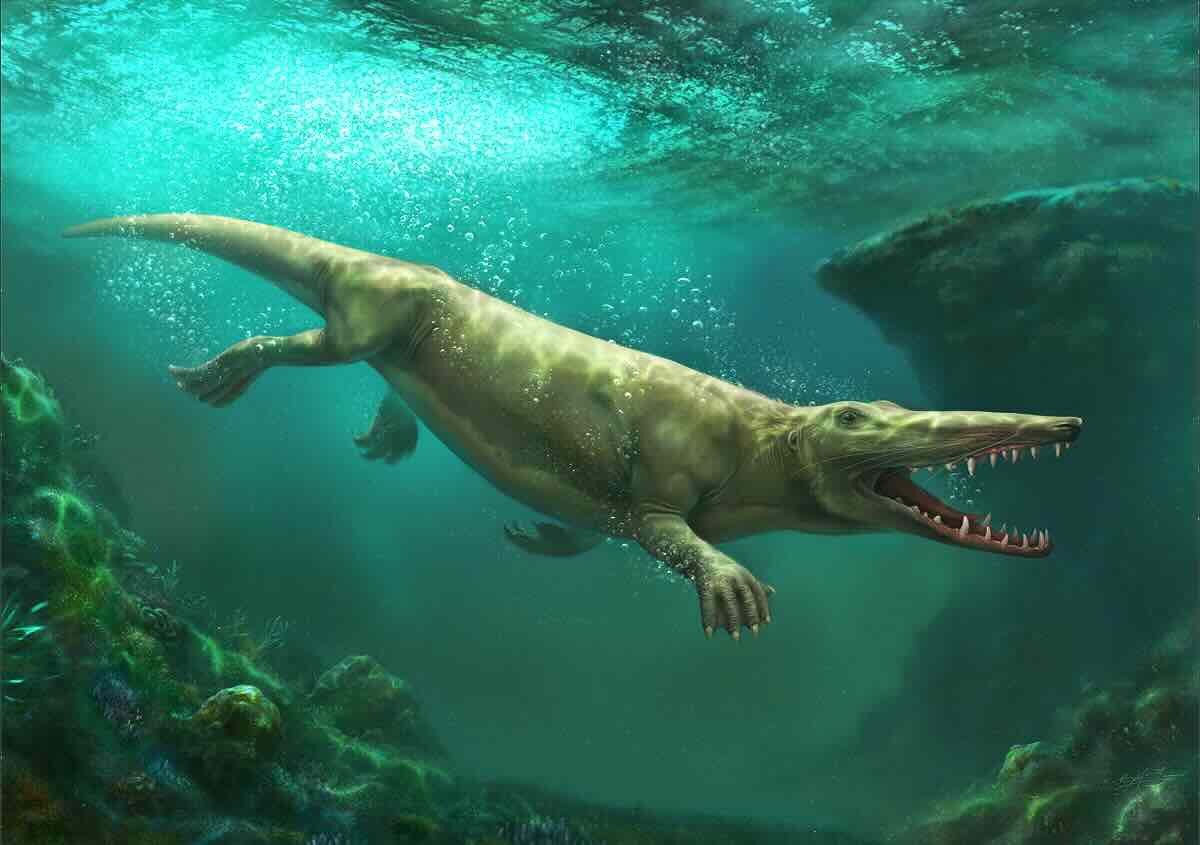
Early whales like Ambulocetus had legs and could walk on land, showing the remarkable transition of mammals back to marine life.
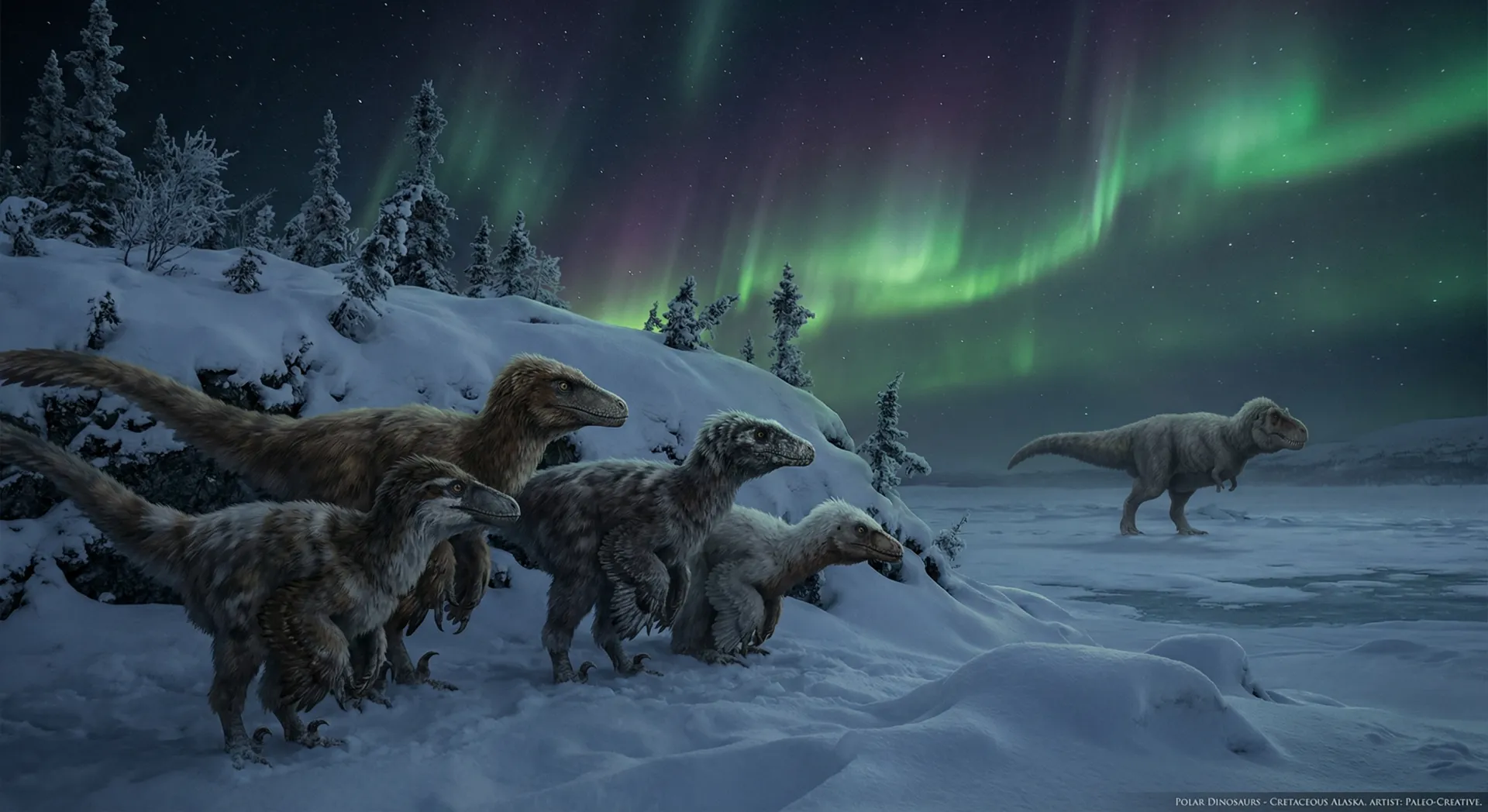
Dinosaur fossils have been found in Alaska and Antarctica! These polar dinosaurs survived months of darkness and near-freezing temperatures, possibly having feathers for warmth.
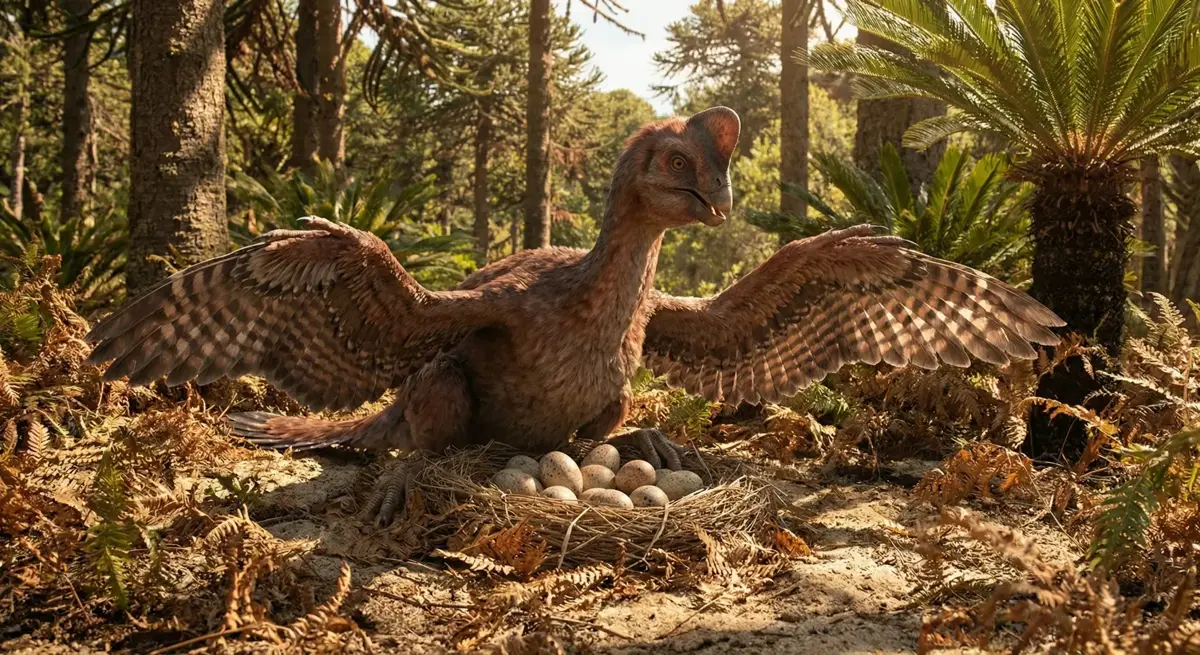
Fossils show dinosaurs brooding their eggs like birds! A 70-million-year-old Oviraptor was found sitting on a nest of 24 eggs, proving dinosaurs were devoted parents who cared for their young.
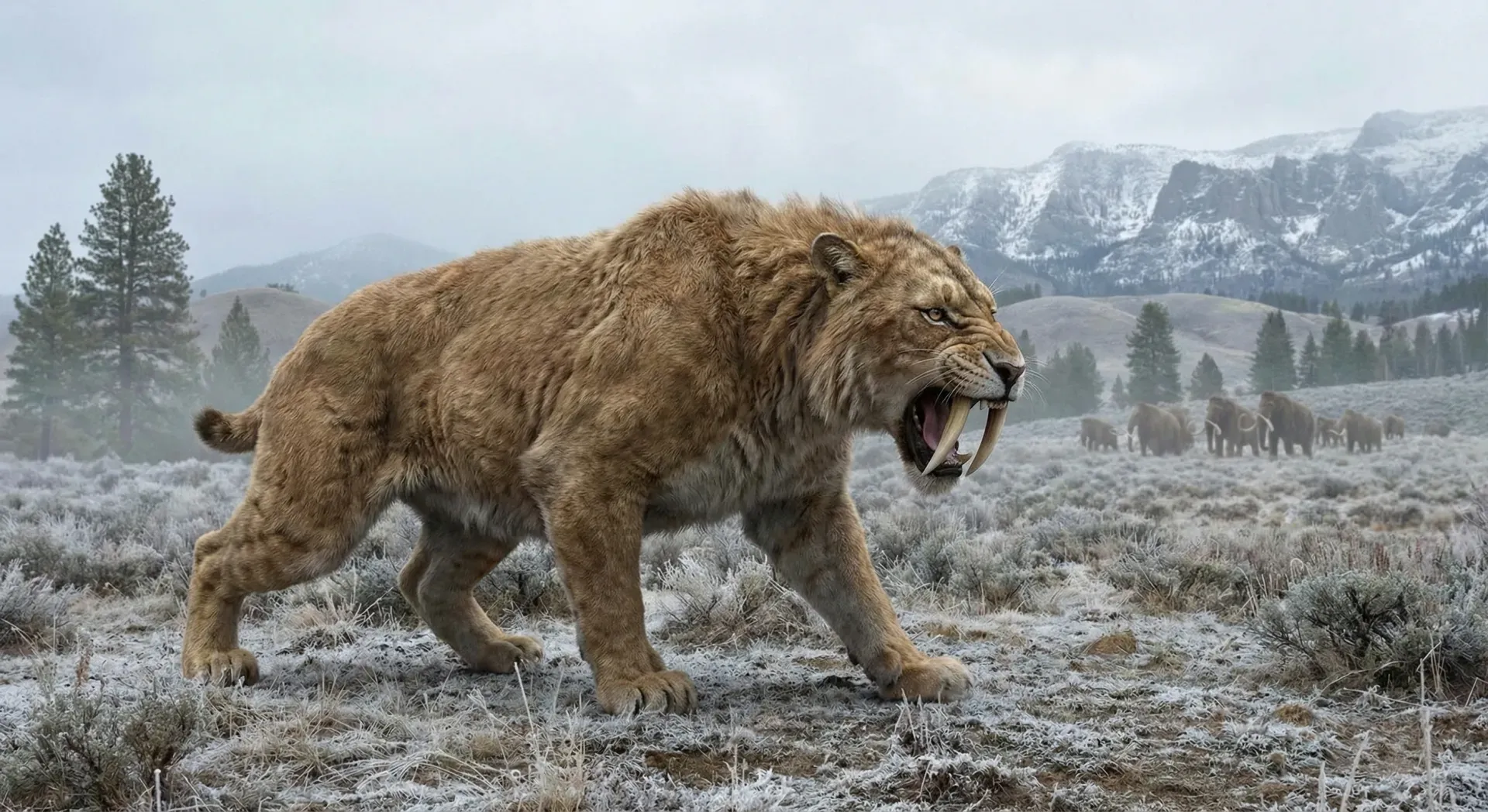
Smilodon, the famous saber-toothed cat, had 28 cm (11-inch) fangs and lived throughout North and South America. Over 1,200 specimens have been found in the La Brea Tar Pits alone!
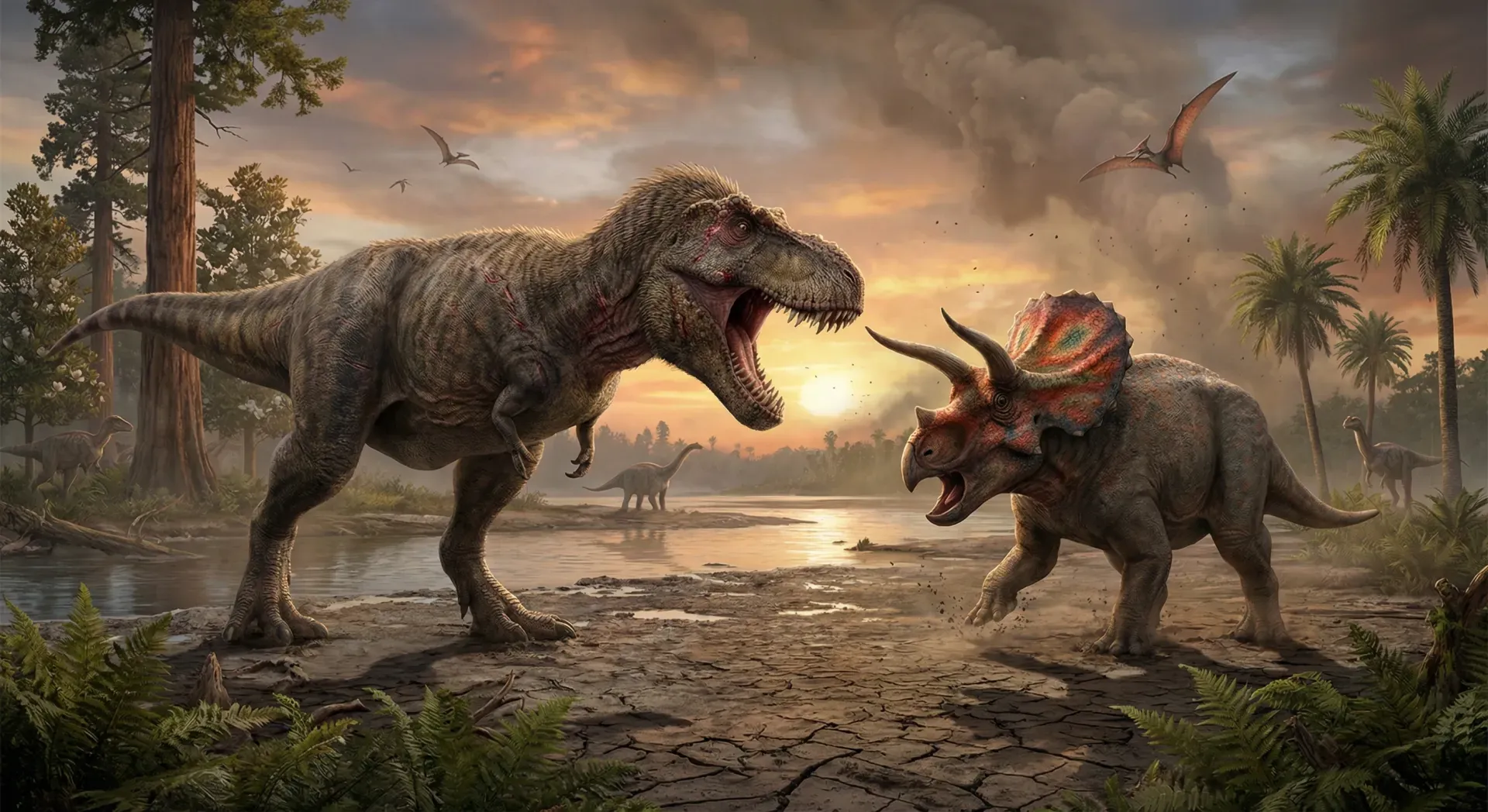
T-Rex and Triceratops actually lived at the same time and place! The Hell Creek Formation contains both—Triceratops makes up 40% of fossils there, T-Rex 24%. They definitely encountered each other.
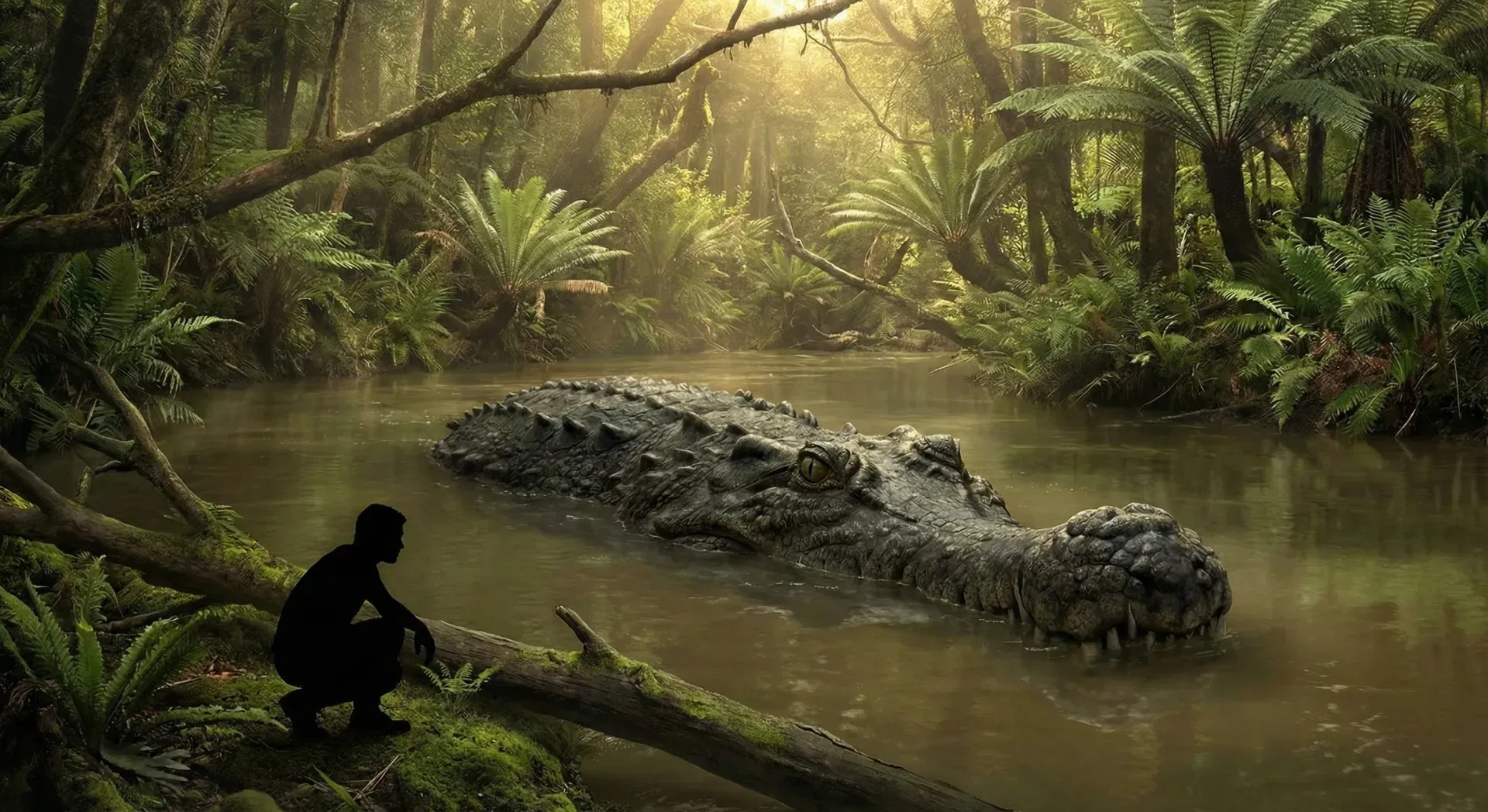
Crocodilians have existed for over 200 million years, surviving the asteroid that killed the dinosaurs. They've barely changed because their design is nearly perfect for their lifestyle.

The blue whale is the largest animal EVER—bigger than any dinosaur! At 200 tons, it weighs twice as much as the largest dinosaurs. Some dinosaurs were longer, but none were heavier.
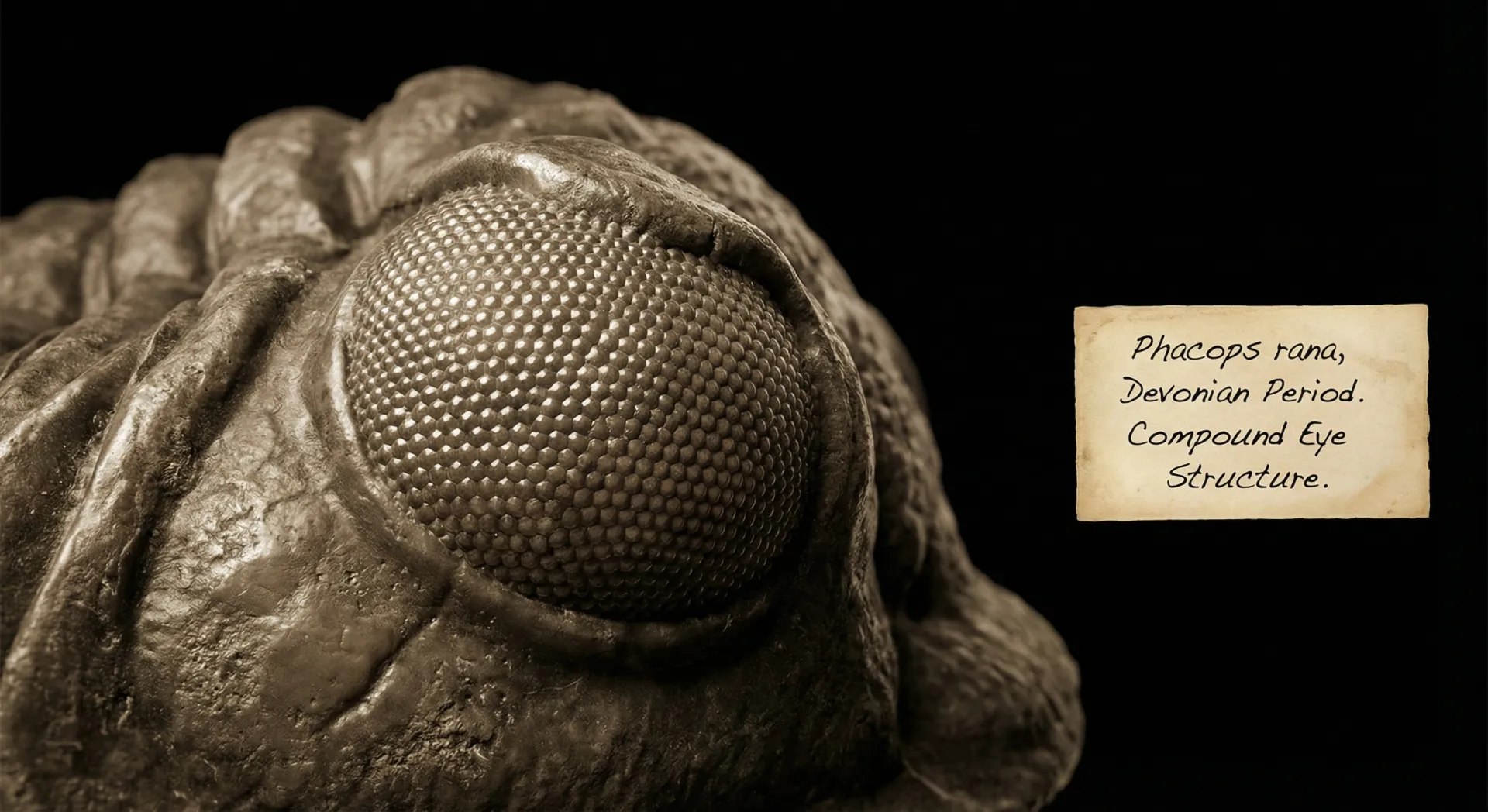
The evolution of eyes triggered an "arms race" of evolution. Trilobites were among the first creatures with complex eyes, with some having over 15,000 lenses!

Ankylosaurus had a tail club that could swing with 7,000-8,000 Newtons of force—enough to shatter bones, even a T-Rex's! The club was made of fused bone and could weigh over 20 kg.
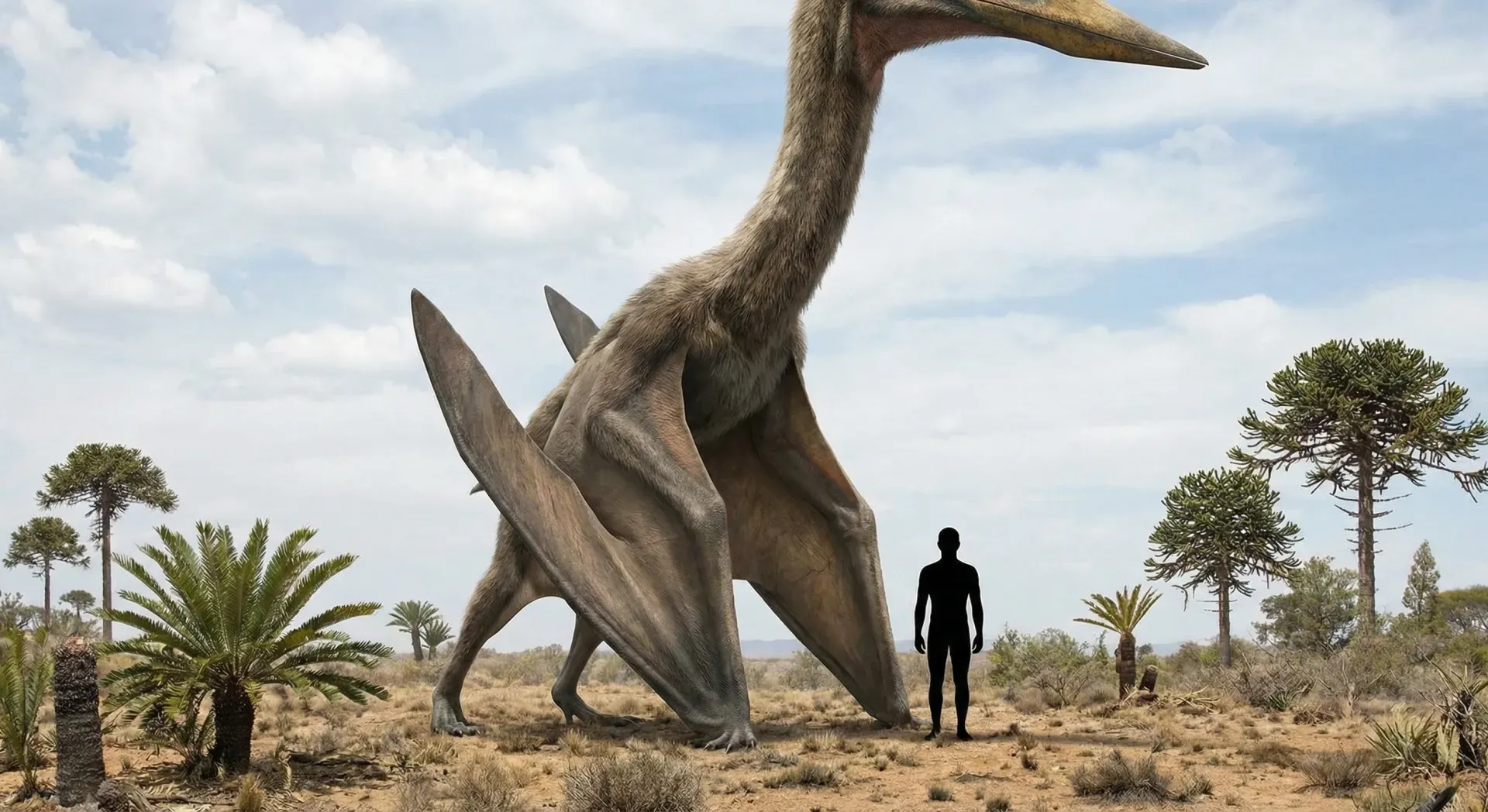
Quetzalcoatlus had a wingspan of 10-11 meters—longer than a school bus! This pterosaur was as tall as a giraffe when standing and could fly at 80 mph for days.
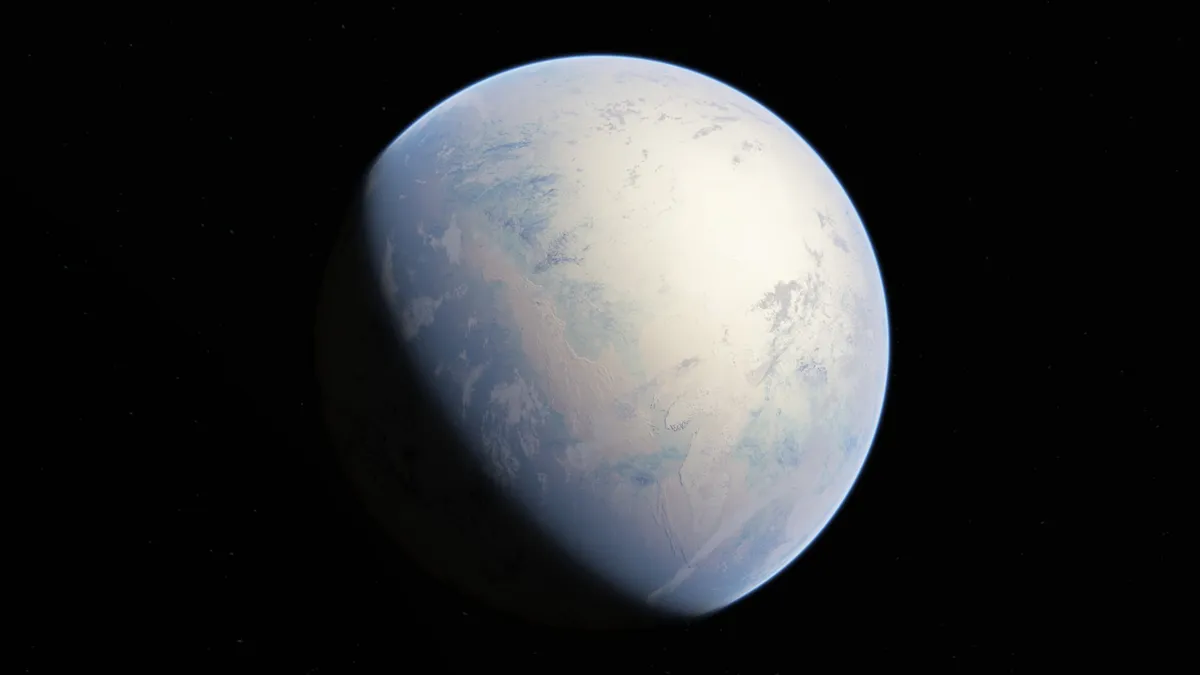
Around 700 million years ago, Earth was almost completely covered in ice during the "Snowball Earth" period, with temperatures as low as -50°C.
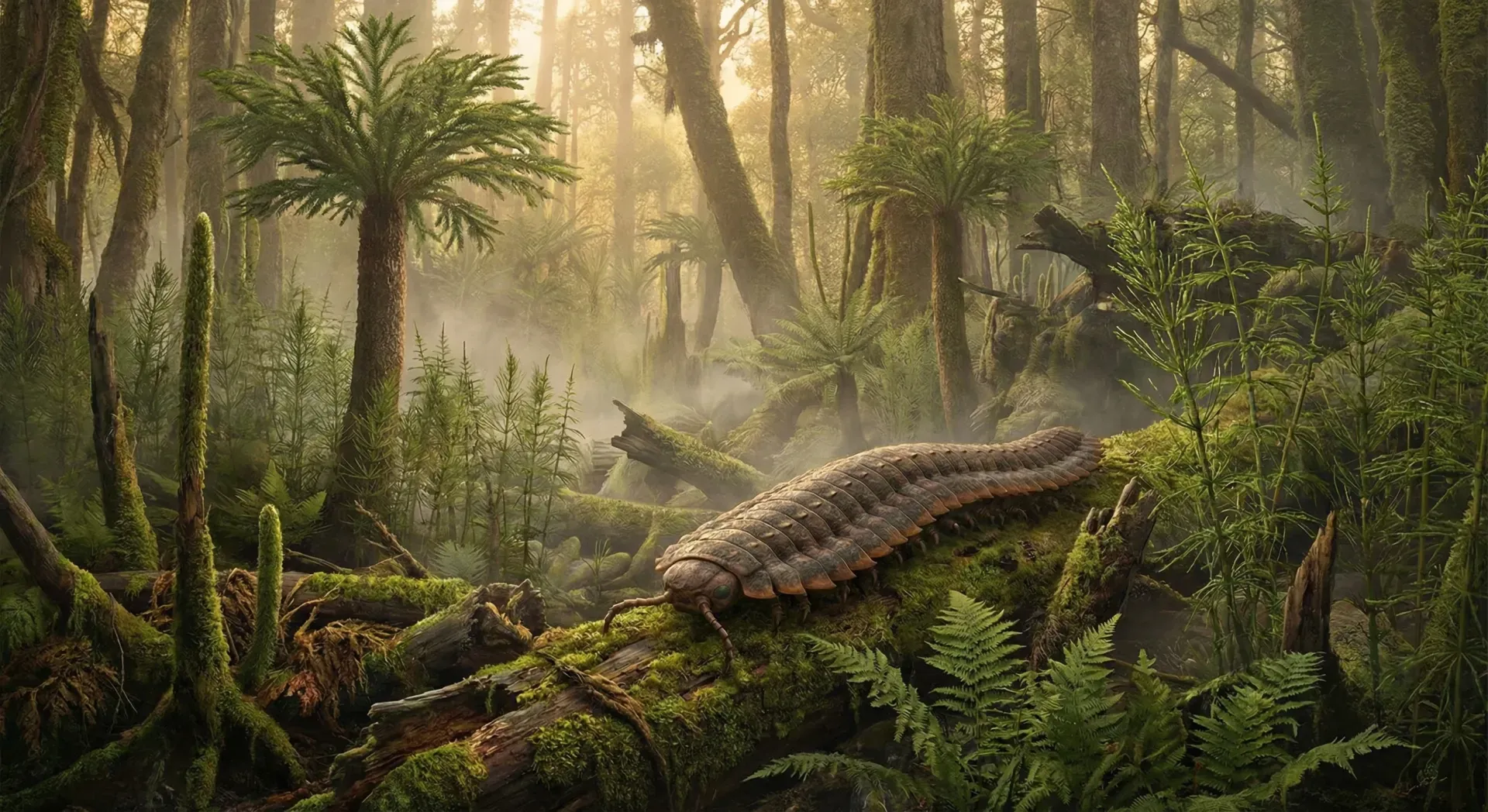
During the Carboniferous period, oxygen levels reached 35% (vs 21% today). This allowed insects to grow huge—millipedes reached 2.5 meters (8 feet) long!
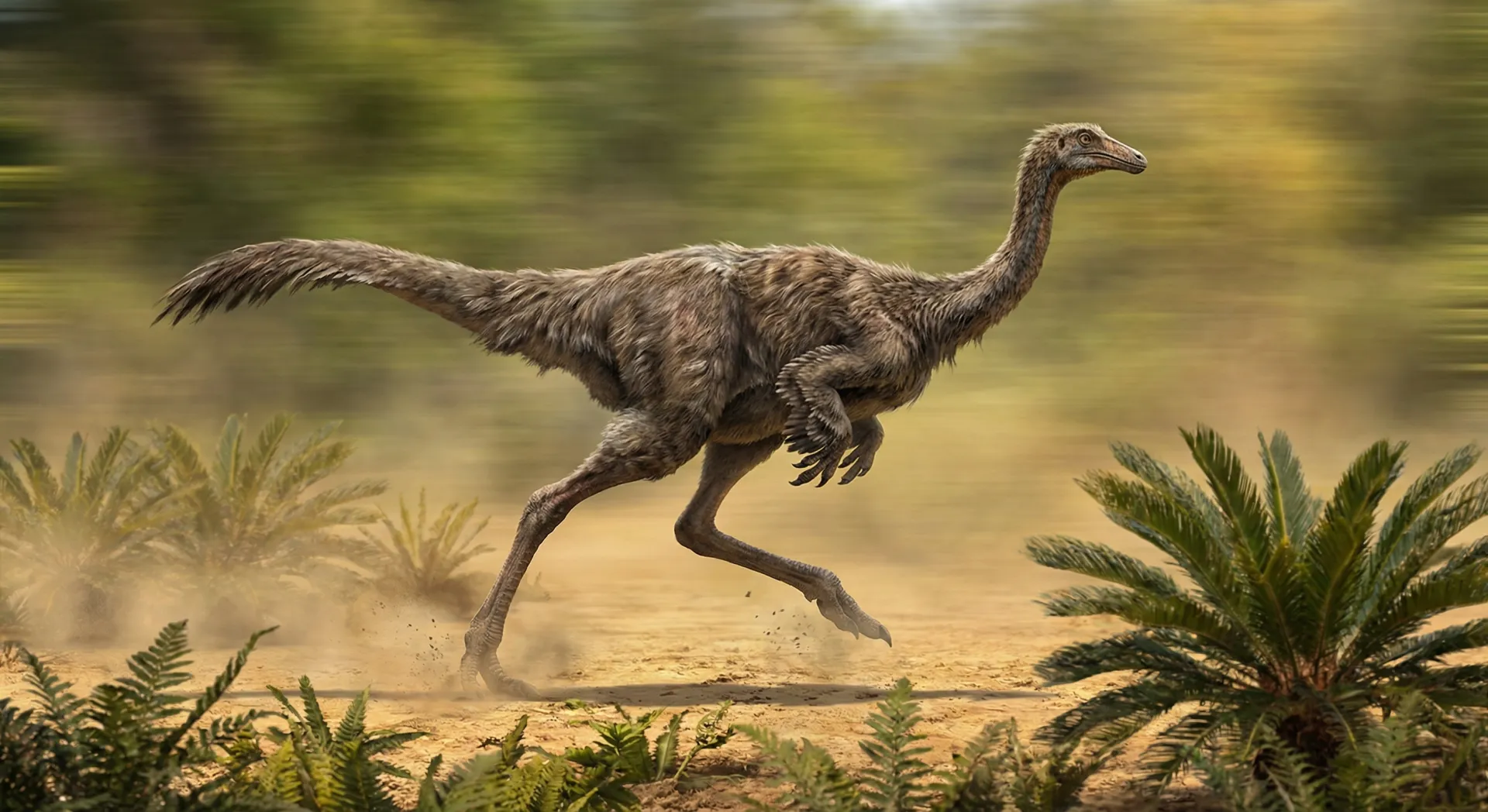
Ornithomimus and Gallimimus were the speed champions, reaching up to 70 km/h (43 mph)—faster than a horse! Their ostrich-like build was perfect for running.