Ordovician Period
485-444 million years ago
About this Period
First vertebrates and great marine biodiversity
The Ordovician period saw a remarkable diversification of marine life and witnessed Earth's first major mass extinction event.
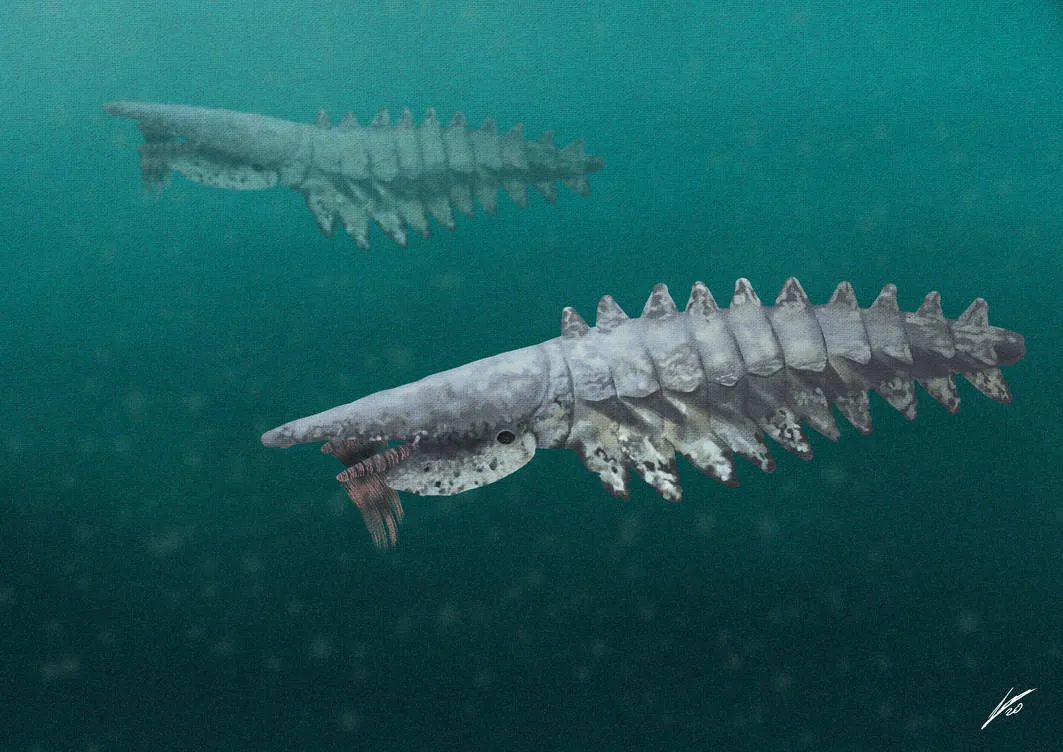
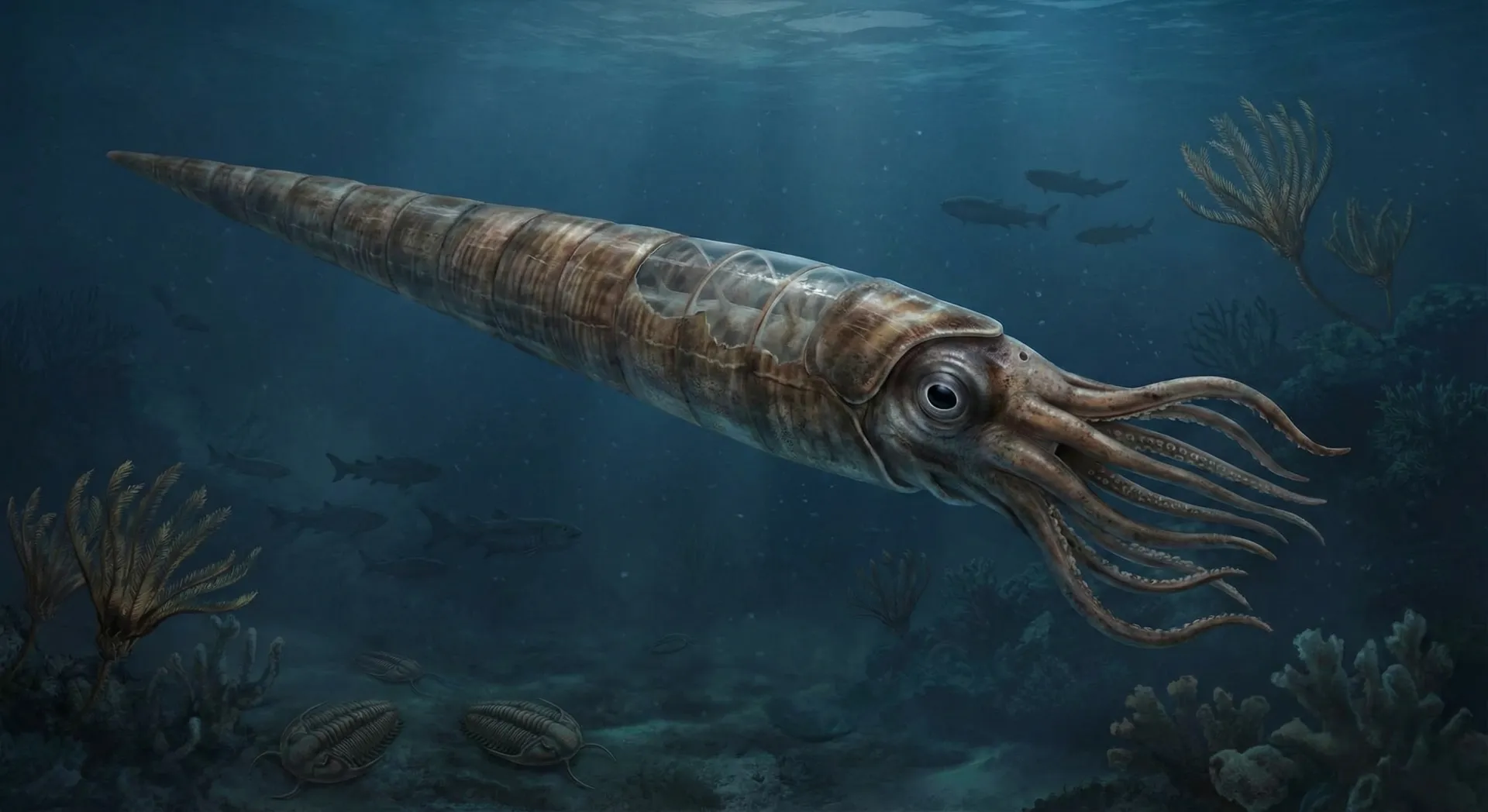
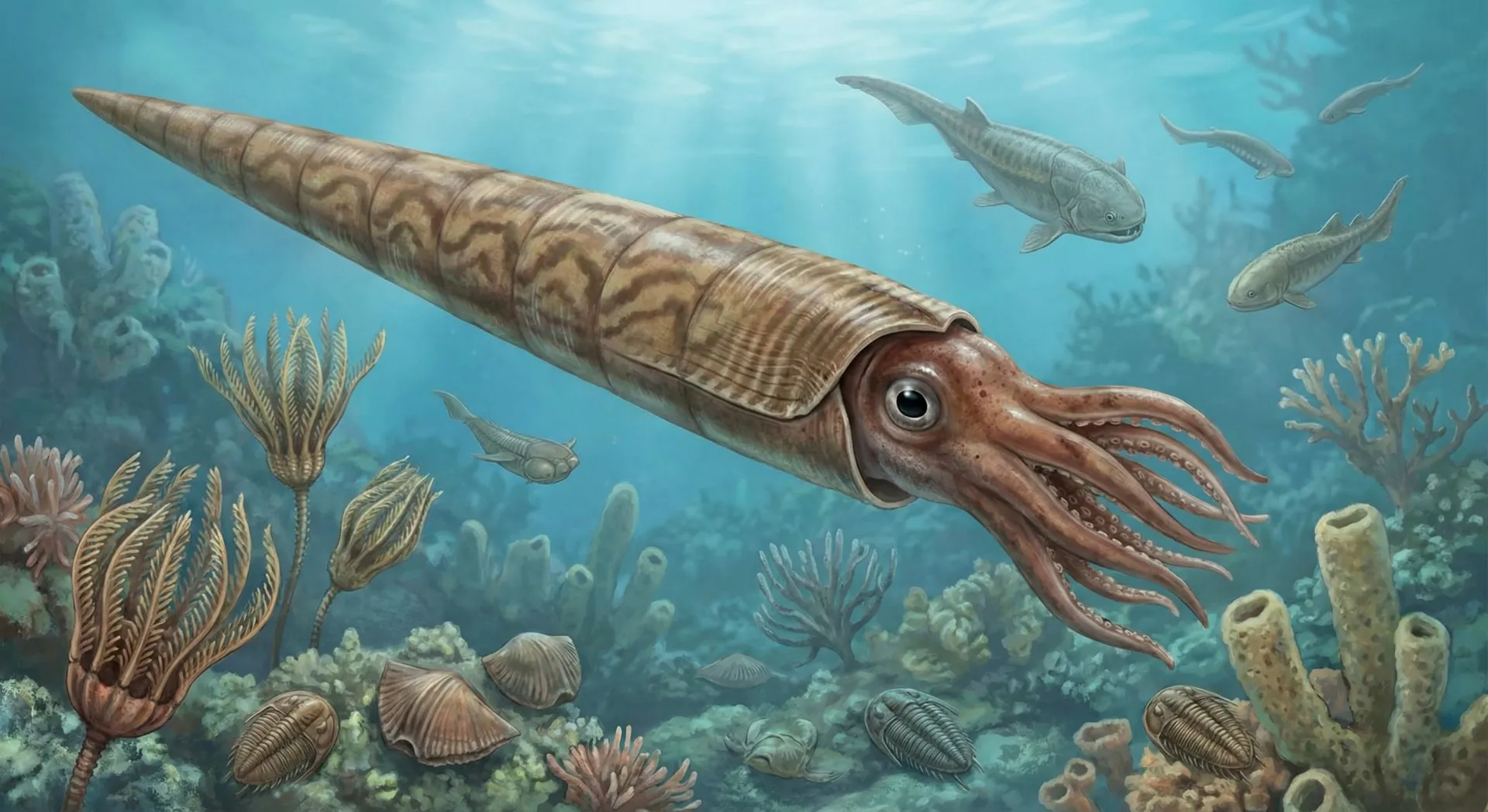
This era brought the evolution of the first vertebrates (jawless fish) and possibly the first animals to colonize land (likely arthropods). Marine biodiversity exploded, with brachiopods flourishing, nautiloids becoming apex predators, and bryozoans and corals building early reef ecosystems.
The period was characterized by high sea levels, generally warm climates, and continents positioned mostly in the southern hemisphere. Many marine limestone deposits formed during this time, preserving an excellent fossil record.
Tragically, the period ended with the Ordovician-Silurian extinction, which eliminated about 85% of marine species—the second-largest extinction in Earth's history, likely caused by rapid glaciation.
The Ordovician demonstrated both life's remarkable ability to diversify and its vulnerability to catastrophic change.