Neogene Period
23-2.6 million years ago
About this Period
Modern mammals and grasslands emerge
The Neogene period was characterized by major geological and climatic changes that shaped the modern world, including the spread of grasslands and evolution of many modern mammals.
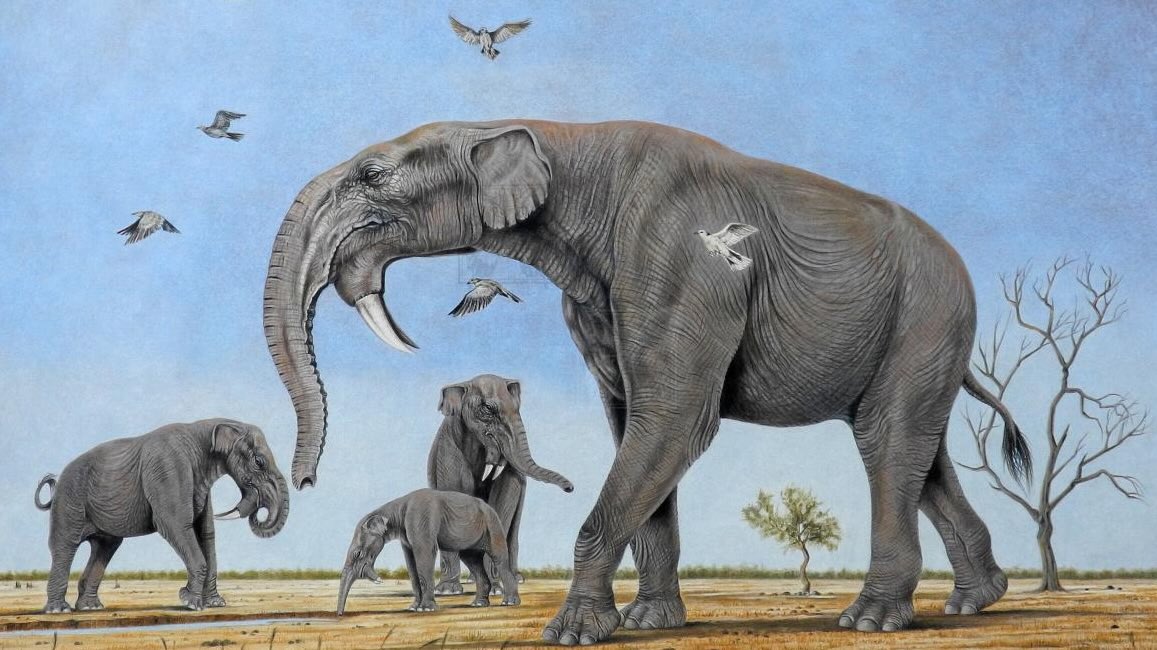
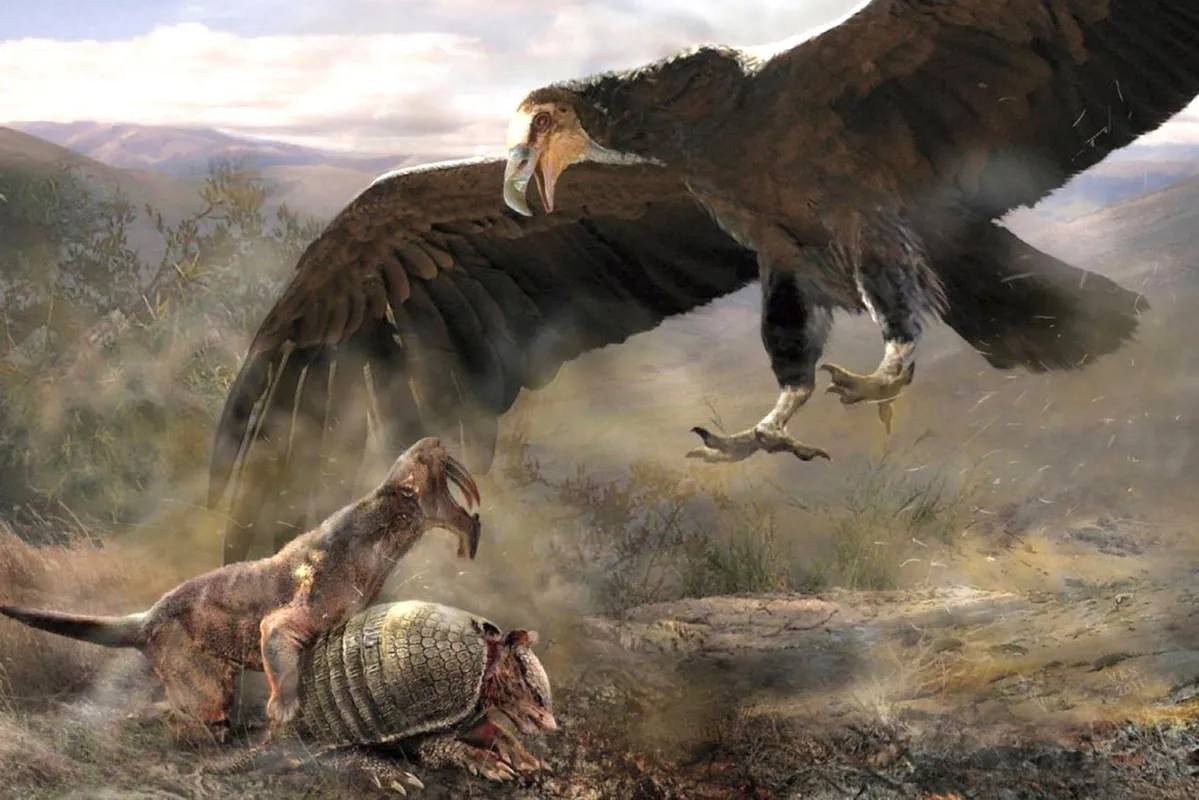
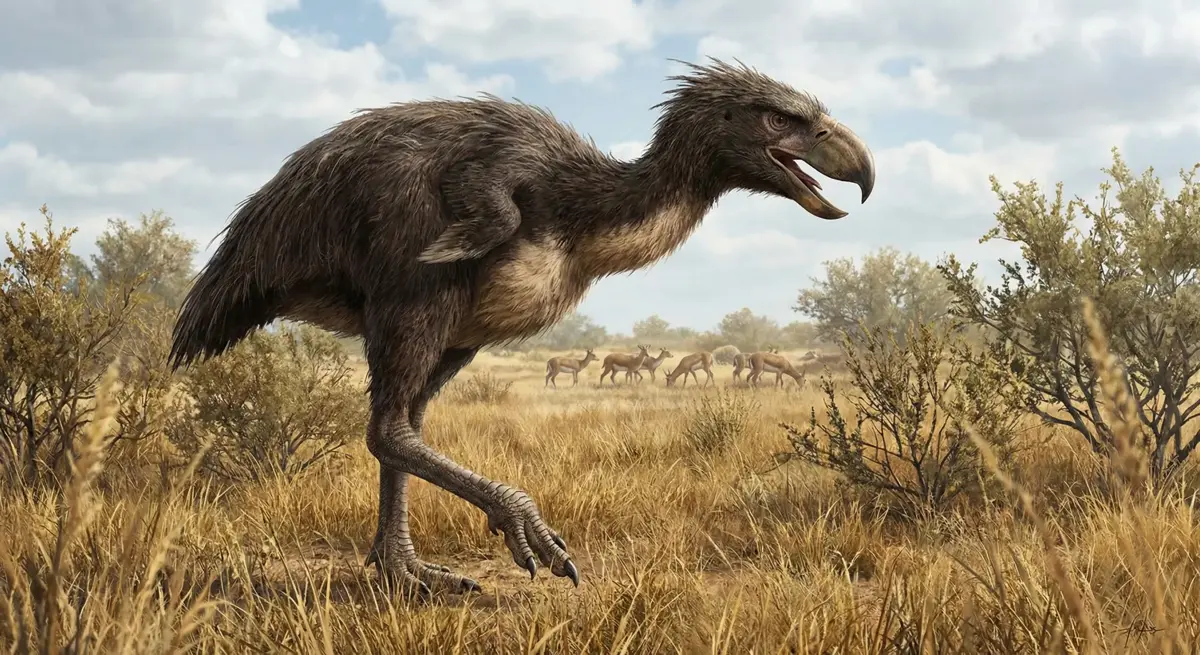
Global cooling continued, causing forests to retreat while grasslands and savannas expanded dramatically. This transformation drove major evolutionary changes in grazing mammals—horses evolved longer legs and specialized teeth, while elephants (mastodons, gomphotheres) diversified across the landscape.
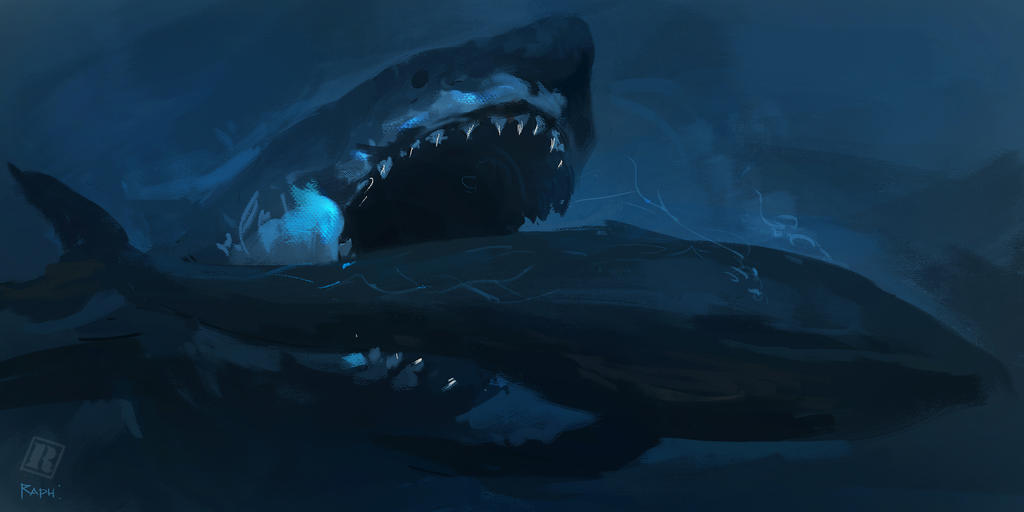
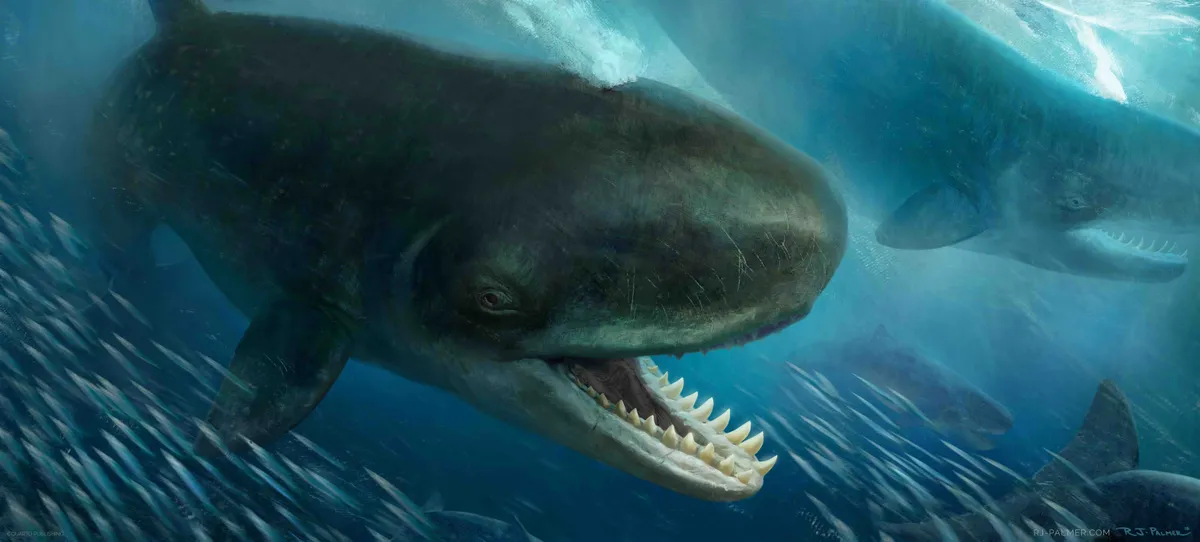
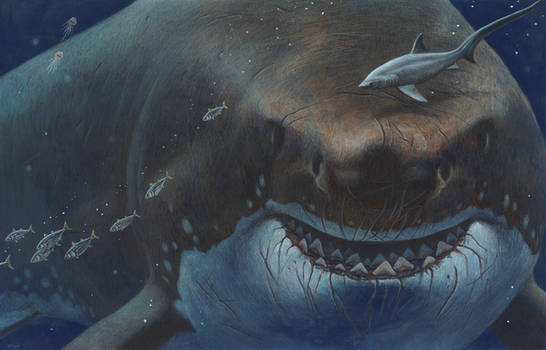
The oceans saw the rise of Megalodon, a giant shark reaching up to 18 meters in length. On land, great apes diversified, with the split between human and chimpanzee lineages occurring during this time. Late in the period, Australopithecus appeared—our early hominin ancestors.
Geographic changes were also significant: the formation of the Isthmus of Panama connected North and South America, triggering the Great American Interchange of fauna. Permanent ice caps formed at the poles, establishing seasonal climates similar to those we experience today.
The Neogene built the world we recognize—grasslands, familiar mammals, and the first steps toward humanity.